Is It Rude to Show Up to a Date Without Flowers? The Honest Answer
Contents:
- Where the “Bring Flowers” Rule Actually Came From
- Is a Date Without Flowers Rude? What Modern Etiquette Actually Says
- Flowers vs. Other Romantic Gestures: What Lands Better?
- When Flowers Beat Every Other Option
- A Seasonal Guide to Bringing Flowers on a Date
- Practical Tips for DIY Date Flower Arrangements
- Frequently Asked Questions
- Is it rude to show up to a date without flowers?
- Should men always bring flowers on a first date?
- What’s a good alternative to flowers on a date?
- What flowers are best for a first date?
- How much should you spend on date flowers?
- Make Your Next Date Memorable — With or Without Flowers
Here’s a myth that’s been quietly stressing people out for decades: showing up to a date empty-handed means you don’t care. Not true. The idea that a date without flowers is rude is more folklore than fact — and unpacking why matters more than you’d think. Etiquette has shifted, expectations have evolved, and what signals “thoughtful” in 2026 looks very different from 1955. Let’s set the record straight with some real nuance.
Where the “Bring Flowers” Rule Actually Came From
The tradition of bringing flowers on a first date is rooted in Victorian courtship rituals, where floriography — the language of flowers — was a serious social code. A red rose meant passionate love. Yellow tulips declared hopeless adoration. Showing up with the wrong bouquet wasn’t just awkward; it could be a genuine social misstep.
Fast-forward to mid-20th century America, and flowers on a first date became shorthand for formal romantic intent. It signaled effort, resources, and seriousness. A man arriving with a wrapped bouquet from the corner florist was broadcasting: I am a respectable suitor.
Today? That broadcast has a lot more channels. Effort gets communicated through dozens of gestures — choosing a thoughtful restaurant, remembering a detail from a previous conversation, showing up on time. Flowers are one option among many, not a baseline requirement.
Is a Date Without Flowers Rude? What Modern Etiquette Actually Says
The short answer: no. Arriving on a date without flowers is not rude by any mainstream contemporary standard. The longer answer involves context.
A 2026 survey by The Knot found that only 18% of respondents considered flowers on a first date an expectation rather than a nice surprise. The overwhelming majority viewed them as a sweet gesture — but emphatically optional. Rudeness implies a violation of a clear social norm. That norm simply doesn’t exist the way it once did.
That said, context shifts everything. Here’s a quick breakdown:
- First date (casual coffee or drinks): Flowers would likely feel premature or even overwhelming. Skip them.
- First date (formal dinner, special occasion): A small, understated arrangement — like three stems of garden roses or a wrapped bunch of ranunculus — can be a lovely touch without feeling intense.
- Anniversary or milestone date: Here, flowers carry real weight. Not bringing them when there’s established history could feel like an oversight.
- Returning from a long absence: Flowers make sense. They communicate “I thought about you.”
Flowers vs. Other Romantic Gestures: What Lands Better?
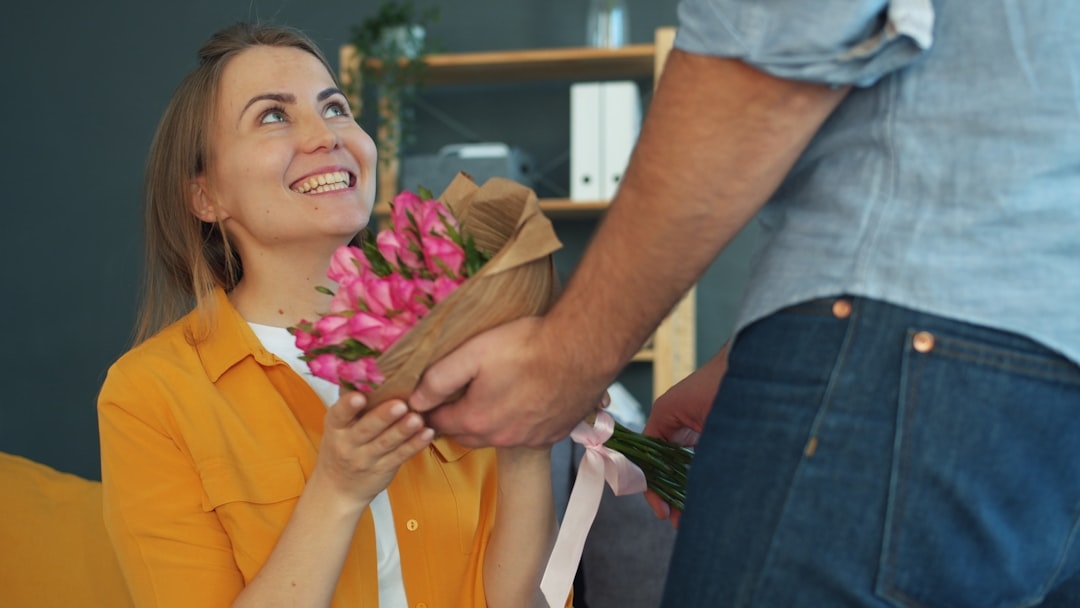
Flowers are often confused with being the only traditional romantic gesture, but they’re actually one of the easier options to get wrong. A large bouquet handed over at the start of a first date can feel like pressure — your date now has to carry it all evening, find a vase, and figure out what it means.
Compare that to a small, consumable gift: a single specialty chocolate bar, a handwritten card, or even just verbally referencing something specific they mentioned online. These gestures show attentiveness without the logistical awkwardness of a floral arrangement.
If you do bring flowers, single stems outperform big bouquets on early dates. One perfect peony or a stem of garden-fresh sweet peas (available May through July at most US farmers markets) says “I noticed you” without saying “I’m already planning the wedding.”
When Flowers Beat Every Other Option
There are moments when nothing else quite works the way flowers do. Apology dates. Post-breakup reconciliations. Celebrating a partner’s achievement. In these emotionally charged contexts, flowers carry symbolic weight that a chocolate bar simply can’t replicate. The gesture of choosing, purchasing, and transporting blooms says something non-verbal that lands differently.
A Seasonal Guide to Bringing Flowers on a Date
If you decide flowers are right for the occasion, timing your purchase to what’s actually in season makes a dramatic difference in quality and impact. Out-of-season flowers are often imported, heavily refrigerated, and lack the scent and vibrancy of local, in-season stems.
- January–February: Tulips, amaryllis, and forced hyacinths are at their best. Perfect for Valentine’s Day dates — expect to pay $12–$20 for a quality mixed bunch at a local florist.
- March–April: Daffodils, peonies (late April), and ranunculus hit peak availability. Spring dates call for these cheerful, lighter stems.
- May–June: Peak peony season in USDA Zones 4–7. Also the height of garden rose availability. The most photogenic and fragrant window of the year.
- July–August: Sunflowers, zinnias, and dahlias dominate farmers markets. Bold, warm, and undeniably summer.
- September–October: Dahlias continue strong. Marigolds and late-season asters add autumnal warmth — great for evening dinner dates.
- November–December: Amaryllis returns, alongside paperwhites and forced branches like quince. Holiday dates call for rich, dramatic arrangements.
Buying from a local florist or farmers market rather than a grocery store chain typically yields stems that last 5–7 days longer and smell noticeably better on arrival.
Practical Tips for DIY Date Flower Arrangements
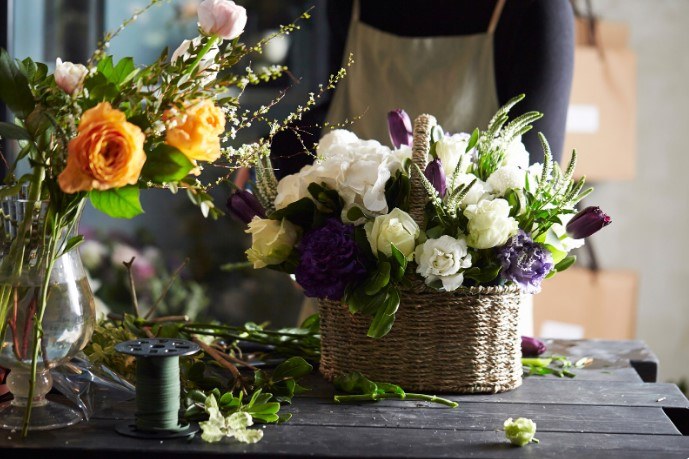
If you enjoy hands-on projects, assembling your own small arrangement is both cost-effective and genuinely impressive. A single-variety hand-tied bunch — five to seven stems of the same flower, stems wrapped in kraft paper and tied with twine — costs roughly $8–$15 in materials and takes about ten minutes to put together.
- Cut all stems at a 45-degree angle, about an inch from the bottom, right before handing them over.
- Remove any leaves that would sit below water to prevent bacterial growth.
- Use floral tape under the twine if you want the stems to hold their shape in transit.
- Wrap loosely — a tight bundle crushes petals and looks stiff.
- A single fragrant stem like garden roses or sweet peas does more work than six unscented carnations.
Presentation matters almost as much as the flowers themselves. A grocery-store bunch handed over in its plastic sleeve sends a different message than the same flowers wrapped thoughtfully in brown paper with a sprig of eucalyptus tucked in.
Frequently Asked Questions
Is it rude to show up to a date without flowers?
No. Not bringing flowers on a date is not considered rude by modern etiquette standards. Flowers are a thoughtful optional gesture, not a baseline expectation. Context — the occasion, the relationship stage, and your date’s preferences — matters far more than the presence or absence of blooms.
Should men always bring flowers on a first date?
No. On a casual first date, flowers can actually feel like too much too soon. A single stem or small seasonal bunch is more appropriate than a full bouquet if you want to bring something. Most etiquette experts recommend saving flowers for milestone occasions rather than initial meetings.
What’s a good alternative to flowers on a date?
Strong alternatives include a single artisan chocolate bar ($5–$12), a handwritten note referencing something specific from your conversations, or simply choosing a venue that reflects your date’s stated interests. These gestures demonstrate attentiveness without the logistical weight of a floral arrangement.
What flowers are best for a first date?
Single stems of peonies, ranunculus, or garden roses work well for first dates — they’re romantic without being overwhelming. Avoid red roses on a first meeting, as they signal intense passion and can feel presumptuous before a connection is established.
How much should you spend on date flowers?
For a casual gesture, $10–$20 is appropriate. A single premium stem from a local florist runs $4–$8. Spending more than $30 on a first-date bouquet risks making the occasion feel disproportionately formal. Save the larger investment for anniversaries and significant milestones.
Make Your Next Date Memorable — With or Without Flowers
The most romantic thing you can bring to a date isn’t a bouquet — it’s genuine attention. Flowers, when chosen with care and timed to the occasion, amplify that attention beautifully. But they’re a tool, not a requirement. Knowing when a single stem of garden roses will mean everything, and when it will just create an awkward moment at the restaurant door, is the real skill worth developing.
If you love working with flowers and want to bring that craft into your relationships, start small: visit a local farmers market this weekend, pick up three stems of whatever’s in season, and practice a simple hand-tied wrap. You’ll build an instinct for blooms that turns an optional gesture into a genuinely memorable one — exactly when it counts.