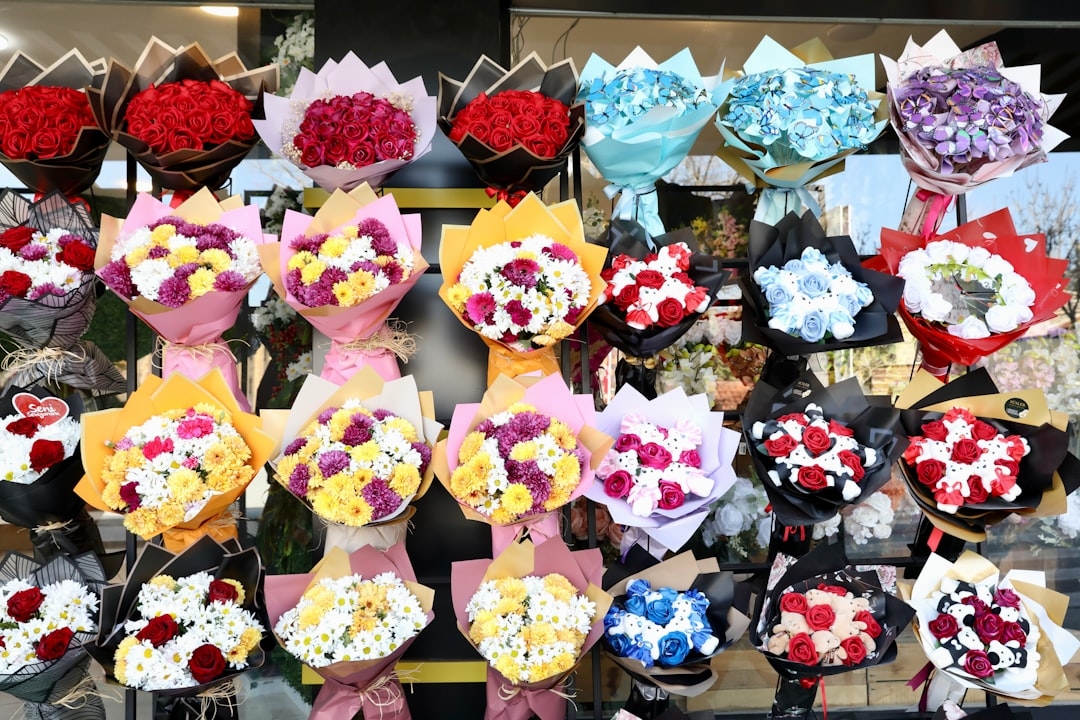
Is It OK to Give One Flower Instead of a Whole Bouquet?
Contents:
- The History Behind Single-Stem Gifting
- One Flower vs Bouquet Etiquette: Reading the Occasion
- When a Single Stem Is the Right Call
- When a Full Bouquet Makes More Sense
- What Florists Actually Think
- The Eco-Friendly Case for Giving One Flower
- Seasonal Flower Guide: Best Single Stems by Time of Year
- Presentation Tips That Elevate a Single Stem
- Frequently Asked Questions
- Is giving one flower romantic or cheap?
- What does giving someone one red rose mean?
- Is one flower appropriate for a funeral or sympathy gesture?
- How do I make one flower look like a real gift?
- Are there occasions where one flower is definitely not enough?
- Make Your Next Floral Gift Count
A single stem can say more than a dozen roses ever could. The idea that a proper floral gift requires an armful of blooms is a relatively modern invention — one driven largely by the floral industry, not by centuries of gifting tradition. Understanding one flower vs bouquet etiquette means knowing that context, relationship, and intention matter far more than quantity.
So yes, giving one flower is not only acceptable — in many situations, it’s the smarter, more thoughtful choice.
The History Behind Single-Stem Gifting
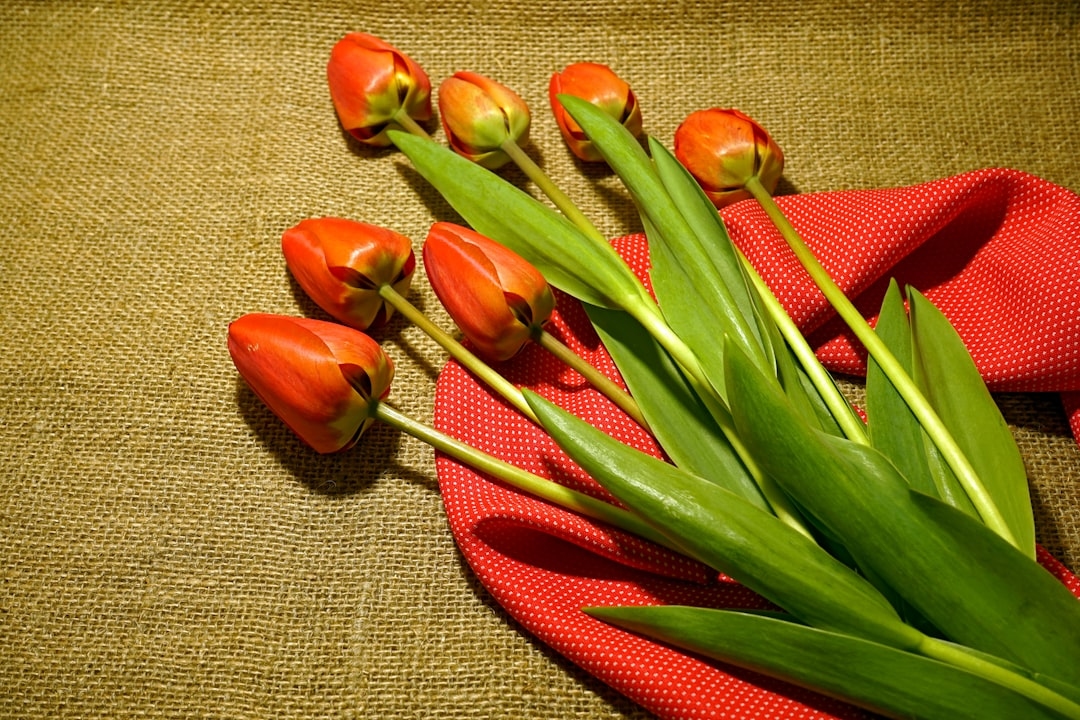
The tradition of giving a single flower is older than the bouquet. In Victorian England, the practice of floriography — the language of flowers — assigned precise meanings to individual blooms. One red tulip meant a declaration of love. A single white camellia conveyed admiration. The emphasis was never on volume; it was on the specific message a flower carried.
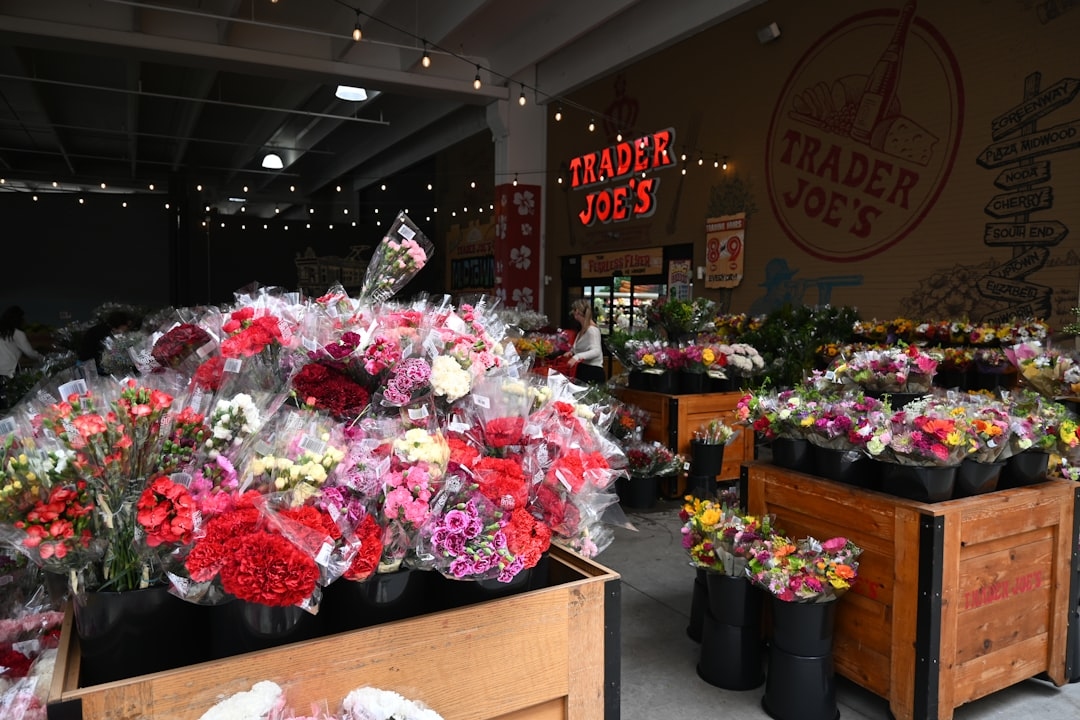
The full bouquet became standard gift fare in the 20th century as commercial floristry expanded and flower refrigeration made multi-stem arrangements widely affordable. Today, the average retail bouquet in the US costs between $25 and $65, while a single premium stem — a garden rose, a tropical bird of paradise, or a long-stem peony — typically runs $5 to $15. The price gap doesn’t reflect a difference in sentiment. It reflects a difference in marketing.
One Flower vs Bouquet Etiquette: Reading the Occasion
The occasion is the clearest guide. Not every moment calls for an armload of flowers, and arriving with 24 mixed stems to a casual coffee catch-up can actually feel excessive or performative.
When a Single Stem Is the Right Call
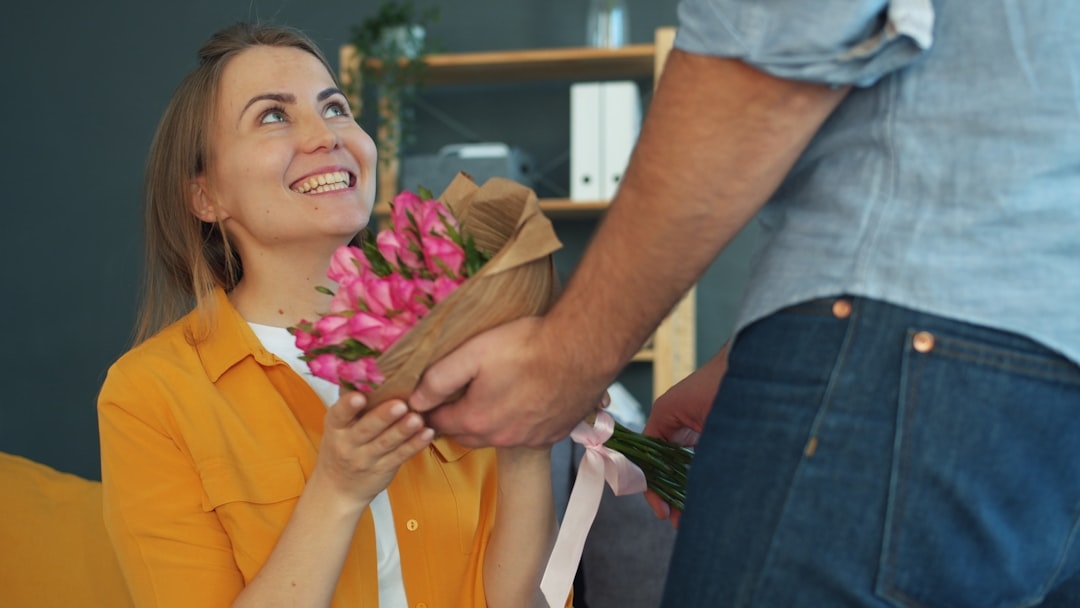
- Romantic gestures (early stages): One perfect bloom feels intentional and intimate. It signals you chose this flower, not just grabbed a pre-wrapped bundle.
- Sympathy visits: A single white lily or iris is quietly elegant. A large bouquet at a grief gathering can feel overwhelming to manage.
- Thank-you tokens: Handing a host a single stem of fragrant sweet peas or a dahlia from a local farm market is charming without upstaging the occasion.
- Children gifting teachers: One sunflower or zinnia, especially from a garden, carries genuine warmth. Teachers receive dozens of gift cards; a real flower stands out.
- Everyday appreciation: Leaving one flower on a partner’s pillow or a colleague’s desk costs almost nothing and lands with surprising impact.
When a Full Bouquet Makes More Sense
- Formal celebrations: Graduations, retirements, anniversary dinners, and milestone birthdays typically call for a fuller arrangement — something display-worthy.
- Get-well gifts: A vase arrangement of 7 to 10 stems fills a hospital room or bedside table with color and lasts longer as a visual comfort.
- Weddings and major events: The scale of the occasion warrants the scale of the gesture.
- First impressions in professional contexts: Presenting flowers to a keynote speaker or award recipient at an event? A bouquet reads as appropriately formal.
What Florists Actually Think
“The single stem is having a serious comeback,” says Maren Calloway, a certified floral designer and owner of Thistle & Thorn Studio in Portland, Oregon. “Clients increasingly ask for one exceptional flower — a garden rose with full petals, a dramatic heliconia, a scented tuberose — rather than a standard mixed dozen. It’s more considered, and honestly, it photographs better too.”
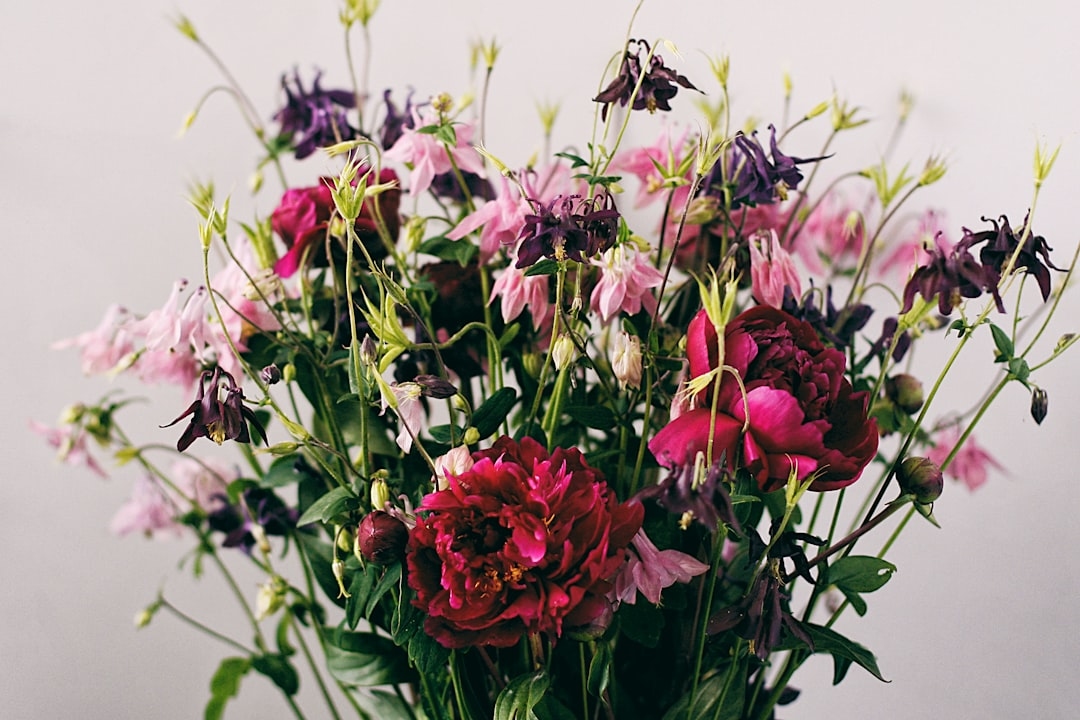
Calloway recommends choosing a stem with visual weight: something with an interesting shape, strong fragrance, or unusual color. “A single pale peach ranunculus in a bud vase on a dinner table does more design work than six filler carnations ever could,” she notes.
The Eco-Friendly Case for Giving One Flower
There’s a genuine sustainability argument here worth considering. The US imports roughly 80% of its cut flowers, primarily from Colombia and Ecuador, with significant carbon costs attached to air freight and cold-chain transport. A standard bouquet of 12 imported roses generates an estimated 2.4 kg of CO₂ — roughly equivalent to driving 6 miles.
Choosing a single, locally grown stem — especially from a farmers market, a community-supported agriculture flower share, or your own garden — reduces that footprint dramatically. One locally grown sunflower in late summer has a carbon cost close to zero compared to an imported dozen.
Beyond carbon, single stems produce less floral waste. Bouquets often include filler greens and wrapping materials that go straight to landfill. A single bloom in a reusable bud vase generates almost none.
Seasonal Flower Guide: Best Single Stems by Time of Year
Choosing a seasonal flower makes a single stem feel curated rather than minimal. Here’s a practical month-by-month reference for the US market:
- January – February: Anemone, amaryllis, tulip (forced bulb varieties available from domestic growers)
- March – April: Daffodil, hyacinth, ranunculus — peak spring availability, often locally grown in USDA Zones 6–8
- May – June: Peony, garden rose, sweet pea — prime gifting season; peak fragrance and petal quality
- July – August: Sunflower, zinnia, dahlia — all widely available at US farm stands and farmers markets
- September – October: Cosmos, celosia, marigold — warm tones that suit the season naturally
- November – December: Amaryllis, paperwhite narcissus, hellebore — elegant choices for holiday gifting
Buying in season typically cuts the cost of a single quality stem to under $8 at a farm stand, compared to $12 to $18 for an off-season imported equivalent at a grocery store.
Presentation Tips That Elevate a Single Stem
The difference between a single flower feeling like an afterthought and feeling like a deliberate gift comes down almost entirely to how it’s presented.
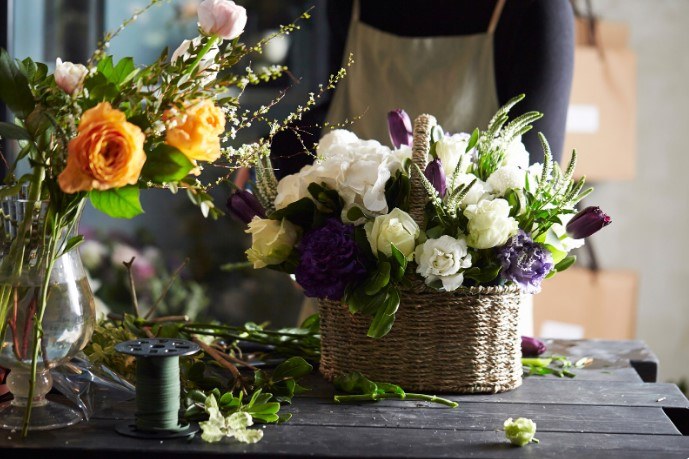
- Use a bud vase as part of the gift. A small ceramic or glass bud vase ($8–$20 at most home goods stores) transforms a single stem into a complete, displayable object. The recipient keeps both.
- Wrap it simply but intentionally. A cone of kraft paper tied with twine, or a strip of linen ribbon around the stem, signals care without over-packaging.
- Add a handwritten note. This is where a single flower becomes deeply personal. Mention the specific flower and why you chose it — even one sentence shifts the entire register of the gift.
- Condition the stem first. Cut it at a 45-degree angle and place it in water for at least two hours before gifting. A hydrated flower looks visibly healthier and will last 2–4 days longer.
- Match the stem length to your vessel. For a bud vase, the stem should be roughly 1.5 times the height of the vase. A stem that’s too short looks accidental; one that’s too long looks unbalanced.
Frequently Asked Questions
Is giving one flower romantic or cheap?
A single flower is romantic when it’s chosen deliberately — a stem known to be the recipient’s favorite, a seasonal bloom with meaning, or a variety that’s visually striking. It only reads as cheap when it’s a wilted grocery store carnation handed over without thought. Intention is everything.
What does giving someone one red rose mean?
One red rose traditionally signals “I love you” or a declaration of singular romantic interest. In floriography, the single red rose carries more weight than a dozen because the message is unambiguous and direct. It’s one of the few cases where less genuinely means more.
Is one flower appropriate for a funeral or sympathy gesture?
Yes. A single white lily, iris, or chrysanthemum is considered appropriate and respectful in most US contexts. It’s understated, easy to display, and doesn’t burden a grieving household with the upkeep of a large arrangement.
How do I make one flower look like a real gift?
Pair it with a bud vase, wrap the stem in kraft paper or ribbon, and include a handwritten note explaining your choice. Presentation and intentionality do far more work than quantity.
Are there occasions where one flower is definitely not enough?
Yes. Major formal occasions — weddings, retirement parties, award ceremonies, graduation celebrations — typically call for a fuller arrangement. At these events, a single stem may read as underprepared rather than minimalist. When in doubt, ask a local florist what’s standard for the specific event type.
Make Your Next Floral Gift Count
The next time you’re standing at a flower stand trying to decide, skip the default dozen and think about what you actually want to say. Pick the flower that suits the season, the person, and the moment. Present it with care. That combination — specificity, seasonality, and presentation — is what makes a floral gift memorable, whether it’s one stem or twenty.
If you want to go further, consider starting a small cutting garden at home. Even a 4×4-foot plot in USDA Zones 5–9 can produce enough zinnias, dahlias, and sweet peas from June through October to supply a single meaningful stem whenever you need one — at a cost of pennies per flower, and with a carbon footprint close to zero.