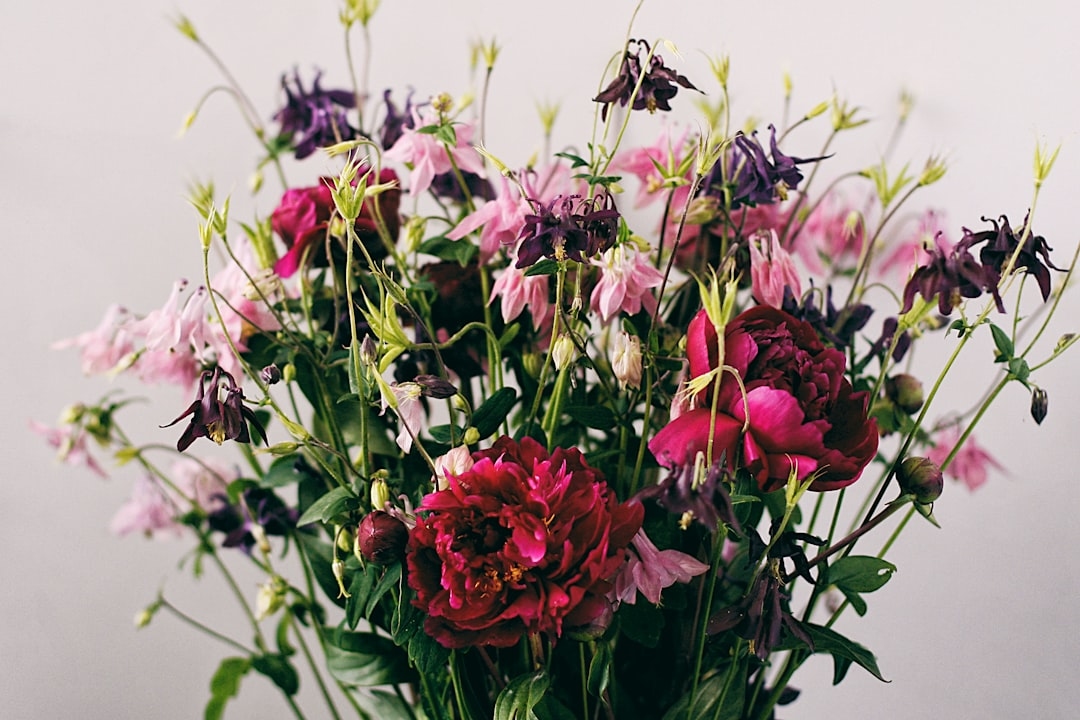
Is It Rude to Not Send a Thank You for Flowers?
Contents:
- Why Flower Acknowledgment Matters More Than You Think
- When a Thank-You Is Clearly Expected
- Thank You for Flowers Etiquette: Written Note vs. Text vs. In-Person
- Handwritten Notes
- Text or Direct Message
- Phone Call
- Comparing Thank-You Notes for Flowers vs. Thank-You Notes for Gifts
- Practical Tips for Acknowledging Flowers Gracefully
- What Happens When You Don’t Send a Thank-You
- FAQ: Thank You for Flowers Etiquette
- Is it rude to not send a thank-you note for flowers?
- How long do you have to send a thank-you for flowers?
- Do you have to send a written note, or is a text message okay?
- What should you say in a thank-you for flowers?
- Do you need to thank someone for flowers if you thanked them in person?
Many people assume that thank you for flowers etiquette only applies to formal occasions — weddings, funerals, or corporate events. That assumption is wrong, and it quietly costs people relationships every year. A skipped acknowledgment after receiving flowers can read as indifference, even when none was intended. This guide sets the record straight on when a thank-you is expected, what form it should take, and how to handle the situations that genuinely blur the line.
Why Flower Acknowledgment Matters More Than You Think
Flowers are rarely just flowers. Someone chose a bouquet, spent money — often between $40 and $125 for a standard arrangement from a US florist — and arranged for delivery or hand-delivery. That act carries emotional weight. Ignoring it entirely sends a signal, whether you mean it to or not.
Etiquette isn’t about rigid rules. It’s about communicating care. A thank-you for flowers closes the loop on a gesture someone made for you. Skipping it leaves that loop open, and over time, open loops erode trust.
This doesn’t mean every bouquet requires a handwritten letter. The form of thanks should match the occasion, the relationship, and the effort involved. A text might be perfectly right in one context. A written note is better in another. The key is responding at all.
When a Thank-You Is Clearly Expected
Certain situations carry near-universal expectation of acknowledgment. In American social culture, these include:
- Sympathy flowers: Sent during bereavement, these represent significant emotional and financial investment. A written note within two weeks of receiving them is standard practice.
- Hospital or get-well arrangements: A quick text or call within 24 to 48 hours of receiving them is both expected and appreciated.
- Wedding or event florals gifted personally: If someone brought you flowers as a gift at a celebration, acknowledge them before the event ends or within a day after.
- Flowers from a professional contact or employer: Always acknowledge these in writing. A brief email works well here.
- Milestone bouquets (graduation, promotion, new baby): These deserve a direct thank-you, either written or verbal, within a week.
Thank You for Flowers Etiquette: Written Note vs. Text vs. In-Person
Choosing the right format is where most people get confused. A handwritten card and a text message are not interchangeable — but neither is one always superior to the other.
Handwritten Notes
Reserved for formal occasions, sympathy flowers, or situations where someone made a significant effort. Three to five sentences is plenty. You don’t need to gush. Mention the flowers specifically — the color, the type if you know it, or the way they looked in your space. That specificity shows you actually noticed.
Text or Direct Message
Appropriate for friends, casual acquaintances, or same-day deliveries from people you see regularly. Send it within a few hours of receiving the flowers. A message like “The sunflowers just arrived — they’re beautiful, thank you so much” takes 15 seconds and lands warmly.
Phone Call
Best for close family members, especially older relatives who may not text regularly. A two-minute call often means more than any written message.
“The biggest mistake I see is people overthinking the format and then doing nothing,” says Dana Whitfield, a certified floral designer with over 18 years of experience at a boutique studio in Portland, Oregon. “Any acknowledgment — even a short voicemail — is infinitely better than silence. The flowers were a gesture. Your response is part of that same conversation.”
Comparing Thank-You Notes for Flowers vs. Thank-You Notes for Gifts
People often conflate flower acknowledgments with standard gift thank-you notes, but there are meaningful differences. A gift thank-you note typically mentions how you plan to use the item, since objects have ongoing utility. Flowers are perishable — they’ll be gone in seven to ten days. Your note should focus on the emotional impact rather than practical use.
Where a gift note might say, “I’ll think of you every time I use the cookbook,” a flower note leans toward, “The arrangement brightened my entire kitchen this week.” It’s a subtly different emotional register, one rooted in atmosphere and feeling rather than function.
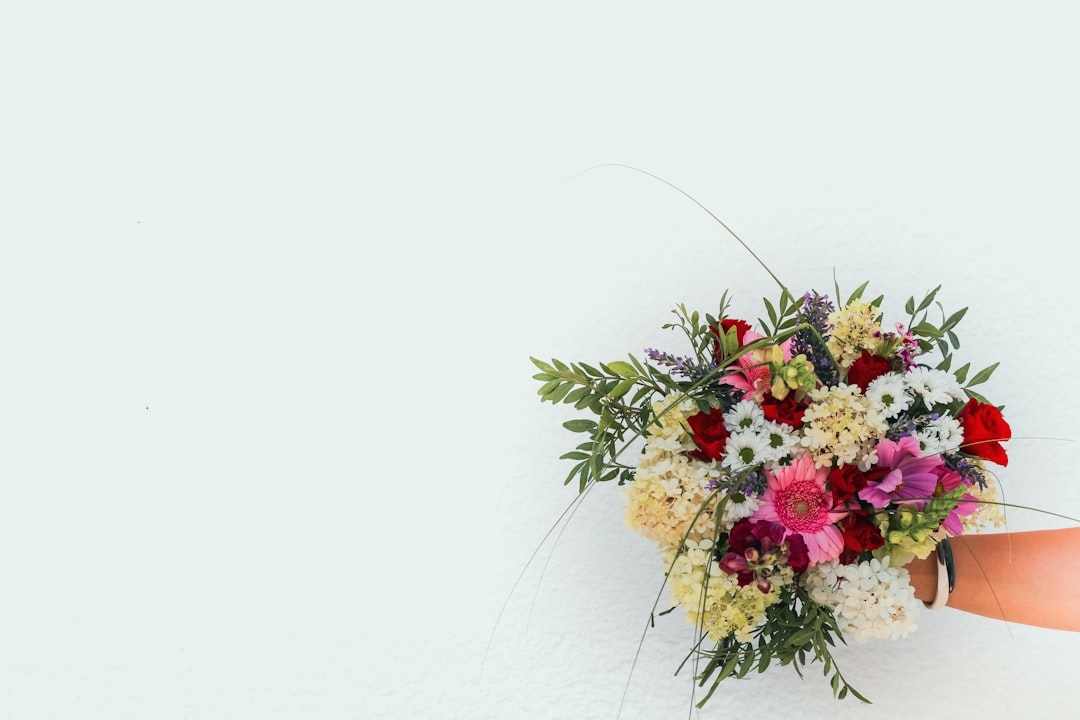
Also worth noting: gift thank-you notes are generally expected even when the gift-giver was present at opening. Flower thank-yous can sometimes be delivered in person immediately, which actually counts — you don’t need to follow up in writing if you thanked someone genuinely and directly at the time.
Practical Tips for Acknowledging Flowers Gracefully
- Respond within 48 hours for casual or digital deliveries. For sympathy arrangements, within two weeks is the accepted window.
- Name the flowers if you can. Even saying “the pink ones with the greenery” shows attention. If you want to identify them, a free app like PictureThis can name most common florist varieties in seconds.
- Keep it short. Three sentences is enough. Gratitude doesn’t require length — it requires sincerity.
- Don’t apologize for delayed thanks. Just send the note. Spending three sentences explaining why you’re late draws more attention to the delay than the thanks itself.
- For anonymous flowers, if the sender is unknown to you, a public acknowledgment on social media is acceptable — and often appreciated by whoever sent them.
What Happens When You Don’t Send a Thank-You
Skipping a thank-you rarely ends a relationship outright. But it plants doubt. The sender may wonder if the flowers arrived, whether you liked them, or whether the gesture was welcome at all. Over time, they may simply stop sending them — or stop making gestures toward you in general.
In professional contexts, the stakes are higher. A colleague or manager who sends flowers after a loss or achievement and hears nothing back may read the silence as a sign of disrespect or indifference. That perception can linger far longer than the flowers did.
FAQ: Thank You for Flowers Etiquette
Is it rude to not send a thank-you note for flowers?
Yes, in most contexts it is considered rude or at least negligent. While the severity depends on the occasion and relationship, silence after receiving flowers is generally read as indifference. A brief acknowledgment — even a text — is almost always appropriate.
How long do you have to send a thank-you for flowers?
For casual or celebratory flowers, acknowledge them within 24 to 48 hours. For sympathy or condolence flowers, the accepted window extends to two weeks, given the circumstances surrounding grief.
Do you have to send a written note, or is a text message okay?
A text message is appropriate for friends and informal relationships. A handwritten note is better suited to sympathy flowers, formal occasions, or situations where the sender made a significant effort. Match the format to the relationship and context.
What should you say in a thank-you for flowers?
Mention the flowers specifically, express how they made you feel, and acknowledge the sender’s thoughtfulness. Three to five sentences is more than sufficient. Specificity matters more than length.
Do you need to thank someone for flowers if you thanked them in person?
If you expressed genuine, direct thanks in person at the time, a follow-up written note is optional — though still a nice touch for significant occasions like sympathy flowers or major milestones.
The next time flowers arrive at your door, don’t let the acknowledgment slip through the cracks. Keep a small supply of notecards at home, save a few thank-you message templates on your phone, and make it a habit to respond within 48 hours. Gracious acknowledgment is a skill, and like most skills, it gets easier the more you practice it.