Is It OK to Ask What Flowers Someone Likes Before Sending Them?
Contents:
- The Case for Asking: Why Guessing Costs More Than a Question
- When Asking Is Especially Smart
- Asking Flower Preference Etiquette: How to Do It Without Ruining the Surprise
- Digital and Text-Based Asking
- Regional Differences That Make Asking Even More Valuable
- A Reader Story: The $80 Orchid Lesson
- Practical Tips for Budget-Conscious Flower Senders
- FAQ: Asking About Flower Preferences
- Is it rude to ask someone what flowers they like before sending them?
- Does asking about flower preferences ruin the surprise?
- What’s the best way to ask someone their flower preference?
- Should I ask about flower allergies before sending a bouquet?
- How does asking flower preferences save money?
What if the bouquet you spent $65 on triggered a sneezing fit — or worse, sat in a vase unloved because the recipient quietly detests lilies? Asking flower preference etiquette is one of those small social skills that most people never think about until they’ve made an expensive mistake. The good news: asking ahead is not only acceptable, it’s increasingly considered the more thoughtful move.
Flowers carry enormous emotional weight. A 2026 Society of American Florists consumer survey found that 74% of recipients said the type of flower mattered as much as the gesture itself. Yet most senders still guess. This article breaks down when asking is appropriate, how to phrase it without killing the surprise, and why regional and cultural factors make the question even more worth asking.
The Case for Asking: Why Guessing Costs More Than a Question
Fresh-cut flower arrangements at a standard US florist run between $45 and $120 for a mid-range bouquet. That’s a meaningful purchase. Spending that on roses when your friend is allergic to strongly scented flowers — or sending sunflowers to someone who associates them with a funeral — is a waste of money and emotional energy on both sides.
Asking doesn’t diminish thoughtfulness. It demonstrates it. There’s a meaningful difference between “I picked what looked nice” and “I remembered you mentioned hating carnations.” The latter signals attention. From a psychological standpoint, personalization activates a stronger emotional response than generic generosity — a principle well-documented in gift-giving research going back to Aaker and Akutsu’s 2009 studies on meaning in gifting.
When Asking Is Especially Smart
- Allergies and sensitivities: Lilies, freesia, and hyacinths are among the most common triggers. Asking sidesteps an ER visit.
- Grief and bereavement: Certain flowers carry funeral associations for specific families or cultures. White chrysanthemums, for example, are mourning flowers in many East Asian households.
- Plant care situations: If you’re sending a potted plant, knowing whether someone has a sunny windowsill or a north-facing apartment matters enormously to the plant’s survival.
- Long-distance delivery: When you can’t hand-deliver and oversee the moment, you want the arrangement to land correctly.
Asking Flower Preference Etiquette: How to Do It Without Ruining the Surprise
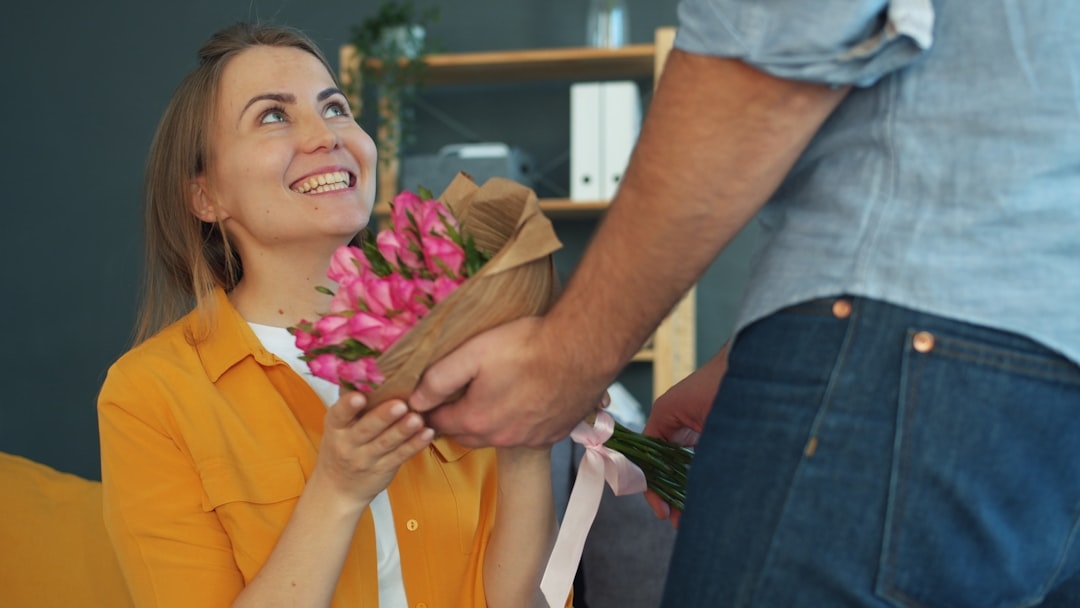
The most common objection is that asking spoils the spontaneity. This is understandable — but easily managed. The key is framing. Instead of “What flowers should I send you?” try something indirect: “I’ve been thinking of brightening your space — do you have a favorite bloom, or anything you can’t stand?” Casual, warm, and informational without telegraphing a specific plan.
You can also ask a third party — a partner, sibling, or close mutual friend. This preserves surprise entirely while gathering the intelligence you need. For workplace arrangements, the office manager or an assistant is often a reliable source of “does anyone in the team have severe allergies?” information.
Digital and Text-Based Asking
A quick text asking about flower preferences reads as charming, not clinical. Keep it brief: “Random question — favorite flower?” That’s it. Most people are delighted someone asked. According to a 2026 Teleflora consumer poll, 68% of respondents said they wished people asked about preferences before sending flowers. The desire for personalization is there — most senders just don’t act on it.
Regional Differences That Make Asking Even More Valuable
The US is not monolithic in its flower culture, and this matters more than most people realize.
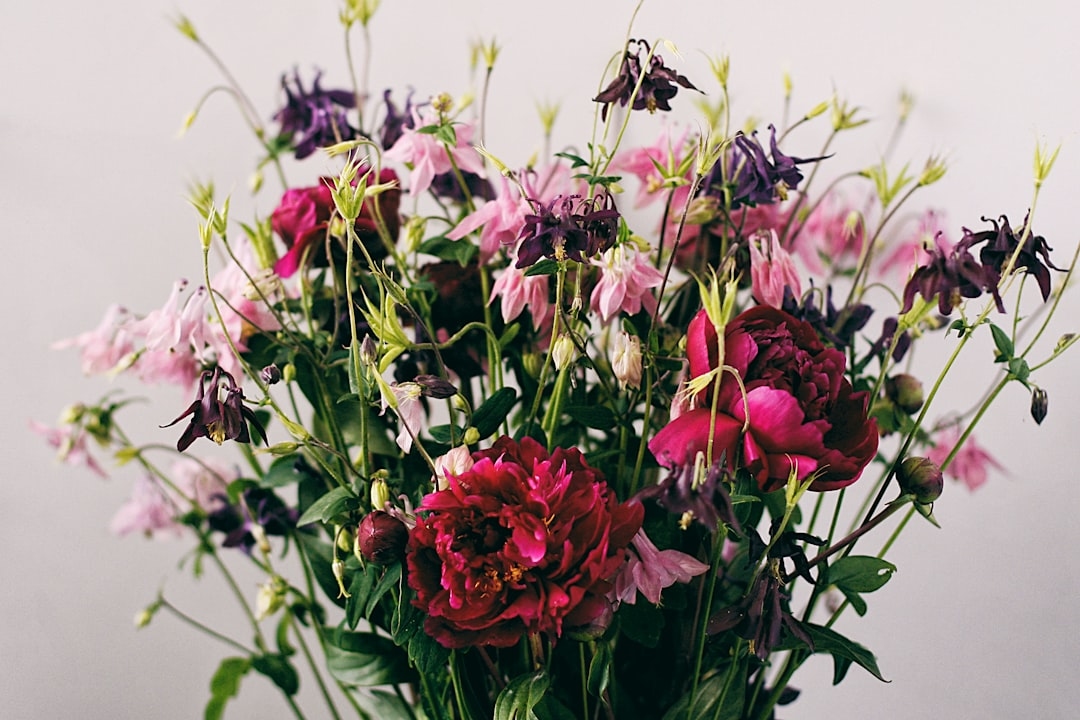
In the Northeast — particularly urban centers like New York and Boston — minimalism tends to be prized. Single-variety bouquets, architectural stems like calla lilies or anemones, and muted palettes often land better than exuberant mixed arrangements. Florists in Manhattan report that peonies and ranunculus outsell roses significantly in spring.
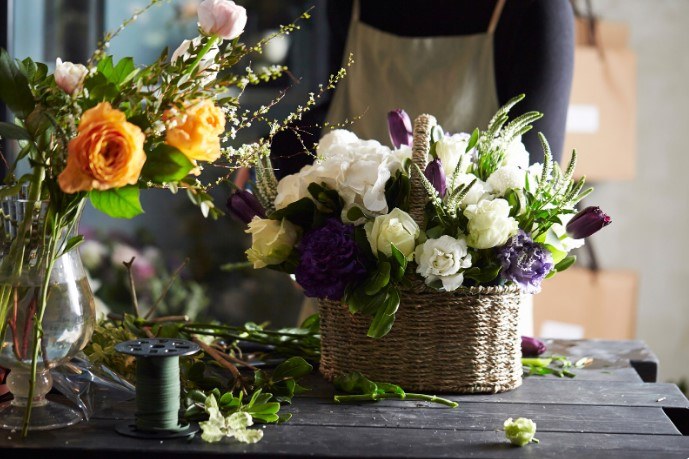
In the South, abundance reads as warmth. Large, fragrant, colorful arrangements carry cultural resonance — gardenias, magnolia blooms, and classic roses remain perennially popular. Sending a spare, modern bouquet to a hostess in Charleston might read as underwhelming even if it costs the same.
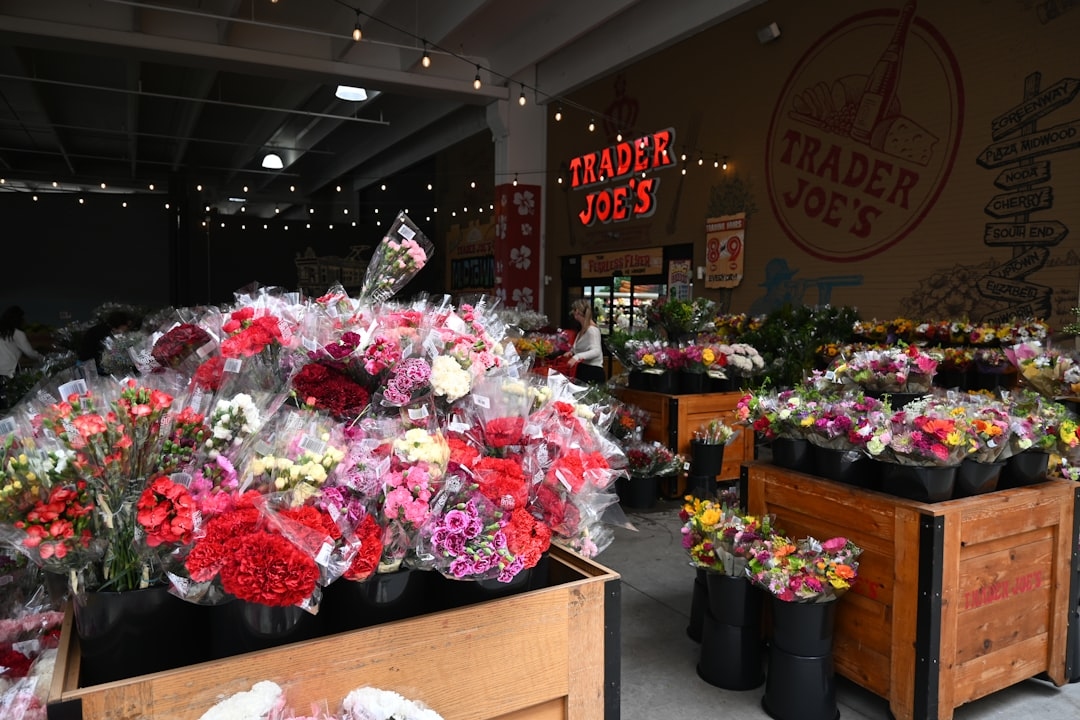
On the West Coast, particularly in California and the Pacific Northwest, locally grown and seasonal flowers carry significant cachet. Wildflower-style arrangements, native species like protea or California poppy, and sustainably sourced stems align with regional values. A budget-conscious sender in Portland can often spend less by choosing local seasonal varieties from a farmers market — typically $15–$25 for a generous bunch — rather than ordering imported roses online.
Asking what someone loves bypasses all of this guesswork and delivers something that fits their actual context.
A Reader Story: The $80 Orchid Lesson
A reader named Diane from Columbus, Ohio shared this: she spent $80 on a phalaenopsis orchid arrangement for her coworker’s promotion, only to find out later that her coworker considered orchids “cold and corporate” — her words — and had quietly given the plant away. “I wish she’d just told me she loves zinnias,” Diane said. “I could have bought a gorgeous bunch for $12 at the farmers market and she would have cried happy tears.”
The orchid wasn’t wrong. The assumption was. One question — asked casually weeks before the occasion — would have changed everything. Budget win, emotional win, and zero orchid displacement.
Practical Tips for Budget-Conscious Flower Senders
- Ask once, remember forever. When someone tells you their favorite flower, note it in your phone’s contacts. You now have a gift-giving edge for years.
- Use the answer to shop smart. If someone loves dahlias and it’s August, you’re in peak season — local dahlias can be found for under $10 a stem. If they love peonies and it’s December, manage expectations or substitute thoughtfully.
- Seasonal alignment cuts costs by 30–50%. Knowing preferences lets you match them to what’s actually in season, which is always cheaper. Tulips in March cost half what they do in November.
- Ask about vase situation. If someone lives in a small studio, a towering arrangement may cause logistical stress. A compact, lush bouquet under 12 inches often works better and costs less.
- Allergies first, aesthetics second. Always lead with “any flowers I should avoid?” before getting into favorites. This protects both parties.
FAQ: Asking About Flower Preferences
Is it rude to ask someone what flowers they like before sending them?
No. Asking about flower preferences is considered thoughtful and respectful by most recipients. It signals that you value their experience over the performance of generosity. A simple, casual question — “Do you have a favorite flower?” — is entirely appropriate in most social contexts.
Does asking about flower preferences ruin the surprise?
Not necessarily. You can ask indirectly (“any flowers you dislike?”), ask a third party who knows the recipient, or ask well in advance of the occasion so the specific timing remains a surprise. Knowing someone loves ranunculus doesn’t tell them when or why flowers are coming.
What’s the best way to ask someone their flower preference?
Keep it casual and conversational. A text like “Random question — favorite flower?” works well. Alternatively, bring it up naturally in conversation: “I saw the most beautiful peonies at the market — do you like peonies, or more of a wildflower person?” This feels organic rather than investigative.
Should I ask about flower allergies before sending a bouquet?
Yes, especially for strongly fragrant flowers like lilies, freesia, hyacinths, and stocks. These are common triggers for people with pollen sensitivities or asthma. A quick “any flowers I should steer clear of?” takes five seconds and can prevent a genuinely unpleasant experience.
How does asking flower preferences save money?
Knowing someone’s favorite flower lets you time your purchase to that variety’s peak season, when prices drop 30–50%. It also prevents spending on elaborate arrangements that don’t resonate — a small bouquet of beloved zinnias consistently outperforms an expensive mixed arrangement of indifferent stems.
The next time you’re planning to send flowers, consider making the question part of your routine — not a one-time workaround. Build a mental (or literal) file of the flower preferences of the people you care about. It costs nothing, saves real money over time, and transforms every bouquet from a guess into a gift that actually lands.