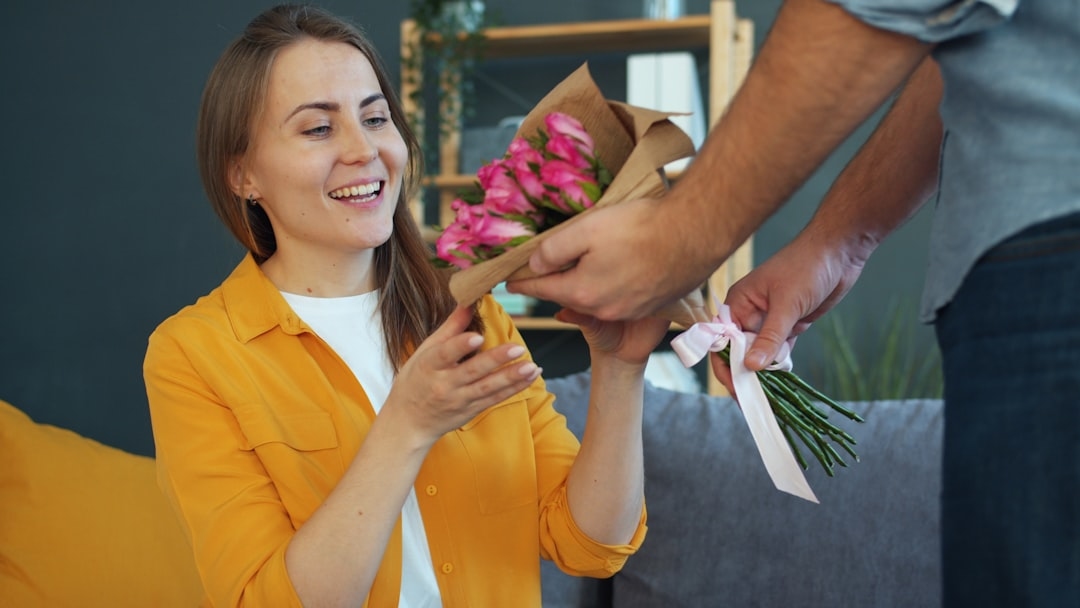
Can You Send Flowers to Someone You Don’t Know Well? A Complete Etiquette Guide
Contents:
- Why Flowers Work Across Social Distances
- Flowers Acquaintance Etiquette: The Ground Rules
- Match the Arrangement Size to Your Relationship
- Write a Note That Does the Heavy Lifting
- Timing Your Delivery Right
- Occasions That Always Work — and a Few to Avoid
- Green-Light Occasions
- Proceed With Caution
- A Reader Story: The Neighbor Who Got It Just Right
- Practical Tips for Sending Flowers to an Acquaintance
- FAQ: Flowers Acquaintance Etiquette
- Is it appropriate to send flowers to someone you barely know?
- What flowers are best to send to an acquaintance?
- Should you send flowers to a coworker you don’t know well?
- How do you write a card for flowers sent to an acquaintance?
- Are potted plants better than cut flowers for acquaintances?
- Ready to Send? Start Simple
Picture this: your neighbor just lost her mother. You’ve waved hello maybe a dozen times, exchanged pleasantries about the weather, but you’ve never shared a meal or a real conversation. A small arrangement of white lilies sits in the window of your local florist. Your instinct says send them — but your second-guessing brain asks, is that weird? Here’s the short answer: no, it’s not weird. Flowers acquaintance etiquette is more forgiving than most people think, and with a few guidelines, you can send blooms that feel warm rather than intrusive.
Why Flowers Work Across Social Distances
Flowers occupy a unique social role. Unlike a handwritten letter that demands intimacy, or a gift card that feels transactional, a simple bouquet communicates care without pressure. Florists and etiquette experts broadly agree that flowers are one of the safest gestures you can extend to someone you don’t know well — precisely because they’re temporary, sensory, and carry no obligation to reciprocate.
Research from Rutgers University found that receiving flowers produces an immediate positive emotional response in 100% of study participants, and that effect lasted beyond the moment of receipt. Flowers signal that someone was thinking of you. That message lands beautifully whether the sender is a close friend or a friendly coworker you’ve spoken to three times.
The key is reading the occasion correctly. Sympathy, congratulations, illness recovery, a housewarming, a work milestone — these are all socially accepted reasons to send flowers to someone outside your inner circle. Sending flowers “just because” to a near-stranger, however, can feel confusing without some context.
Flowers Acquaintance Etiquette: The Ground Rules
Match the Arrangement Size to Your Relationship
Scale matters enormously here. A $75 dramatic orchid centerpiece sent to a colleague you barely know will raise eyebrows. A $25–$35 modest hand-tied bouquet from a local florist? That reads as thoughtful and proportionate. For acquaintances, keep arrangements small to medium. Think 5–7 stems, not 20.
Local and seasonal flowers are a smart choice for another reason too: they’re more eco-friendly. Imported roses travel thousands of miles by air freight, generating a significant carbon footprint. Choosing locally grown dahlias, zinnias, or sunflowers — especially in summer and fall — supports regional growers and reduces emissions. Many florists now stock certified sustainable or locally sourced options; just ask.
Write a Note That Does the Heavy Lifting
The card is everything when you don’t know someone well. It provides context, sets the emotional tone, and removes any ambiguity about why you’re sending flowers. Keep it brief — two to three sentences is ideal. Acknowledge the occasion, express genuine warmth, and sign your full name so there’s no confusion about who sent them.
A good example: “I heard about your promotion and wanted to say congratulations — you’ve always struck me as someone who works incredibly hard. Wishing you all the best in this new chapter. — Sarah from accounting.” Simple, specific, and not overly familiar.
Timing Your Delivery Right
For sympathy flowers, aim to send within one week of the loss — sooner is better. For congratulations or get-well arrangements, sending within 48 hours of hearing the news feels timely and sincere. If you’re sending to a home address, a morning or early-afternoon delivery avoids catching someone off-guard in the evening.
Occasions That Always Work — and a Few to Avoid
Green-Light Occasions
- Sympathy and bereavement: Almost always appropriate, regardless of closeness.
- New baby or new home: Universally joyful and rarely misread.
- Illness or surgery recovery: A get-well bouquet is a classic gesture of human kindness.
- Professional milestone: Promotion, retirement, or a big work achievement.
- Thank-you gesture: After someone did you a genuine favor, flowers are a gracious acknowledgment.
Proceed With Caution
- Birthdays: Fine for a coworker you see daily; potentially odd for someone you’ve met twice.
- Romantic holidays: Skip Valentine’s Day entirely for acquaintances — the symbolism is too loaded.
- Apology flowers: These require a closer relationship to land correctly; otherwise they can feel manipulative.
A Reader Story: The Neighbor Who Got It Just Right
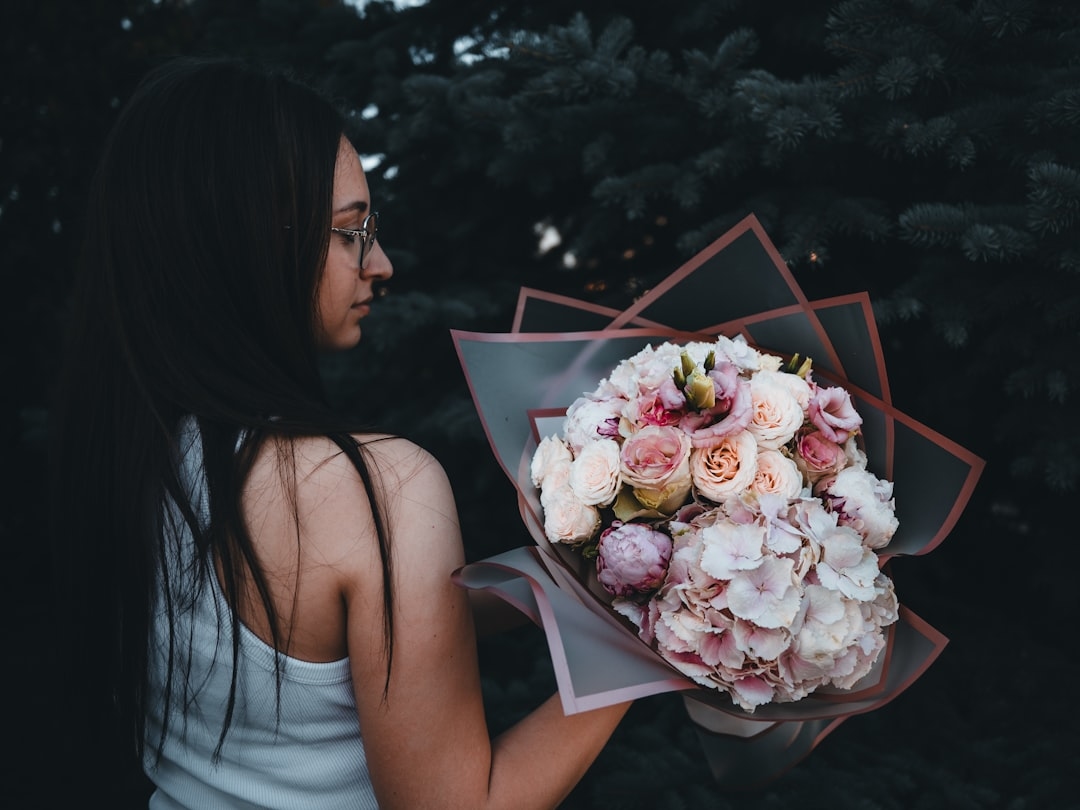
One gardener in our community — a home grower from Portland, Oregon — shared this experience: her next-door neighbor, a retired schoolteacher she’d chatted with maybe six or seven times, noticed her car was gone for two weeks. When she returned from emergency surgery, a small Mason jar of homegrown sweet peas from the neighbor’s garden was waiting on her porch with a handwritten note. “I didn’t even know her last name,” she said, “but I cried for ten minutes. It was the kindest thing anyone did that whole month.”
The neighbor didn’t overthink it. She used what she had — homegrown flowers, a jar, a genuine few sentences — and the impact was profound. You don’t need a fancy florist. You need sincerity.
Practical Tips for Sending Flowers to an Acquaintance
- Use a local florist over a big-box delivery service when possible. Local florists offer fresher product, more sustainable sourcing, and the ability to customize for your budget. Services like 1-800-Flowers or Teleflora are convenient but often deliver significantly smaller arrangements than pictured.
- Choose flowers with neutral symbolism. White or yellow blooms are universally safe. Red roses carry romantic meaning — avoid them. Lilies, tulips, daisies, and sunflowers read as friendly and uncomplicated.
- Ask about allergies if you can. If you know the recipient has pets, note that lilies are toxic to cats. Opt for lily-free arrangements when there’s any uncertainty.
- Include your full name and relationship context in the card. “Your neighbor at 142 Maple” is far clearer than just a first name.
- Consider a potted plant instead of cut flowers. A small potted herb or succulent lasts longer, creates less waste, and often feels less formal — making it a great choice for acquaintance-level gifting.
FAQ: Flowers Acquaintance Etiquette
Is it appropriate to send flowers to someone you barely know?
Yes, in most cases. For occasions like sympathy, illness recovery, or a professional milestone, flowers are a widely accepted gesture regardless of how well you know someone. Keep the arrangement modest and include a clear, warm note to provide context.
What flowers are best to send to an acquaintance?
Neutral, cheerful blooms work best: sunflowers, white or yellow tulips, daisies, or mixed seasonal arrangements. Avoid red roses (romantic connotation) and heavily scented flowers, which can be overwhelming. A $25–$40 hand-tied bouquet is an appropriate price point.
Should you send flowers to a coworker you don’t know well?
Yes, for significant occasions like a bereavement, serious illness, or major professional milestone. For a coworker you interact with regularly, a birthday or congratulations bouquet is also appropriate. Keep it professional and proportional — a small arrangement, not an elaborate display.
How do you write a card for flowers sent to an acquaintance?
Keep it to 2–3 sentences. Acknowledge the occasion, express genuine warmth, and sign your full name along with how they know you. Avoid overly familiar language. Example: “Thinking of you during this difficult time. Wishing you comfort and peace. — David, your neighbor on Elm Street.”
Are potted plants better than cut flowers for acquaintances?
Often, yes. A small potted succulent, herb, or flowering plant lasts far longer than cut flowers, creates less waste, and carries a lower price point — typically $15–$25. This makes them ideal for acquaintance-level gestures where you want to be thoughtful without overstepping.
Ready to Send? Start Simple
The best thing you can do right now is call your nearest local florist, describe the occasion, set a budget between $25 and $40, and ask for a seasonal arrangement using whatever’s fresh and local this week. You’ll get something beautiful, support a small business, and reduce the environmental footprint of your gift all at once. Flowers acquaintance etiquette comes down to one principle: a genuine, proportionate gesture is almost never the wrong move. Your instinct to reach out is a good one. Trust it — and let the flowers do the rest.