Can You Send Flowers to a Buddhist Funeral?
Contents:
- The Role of Flowers in Buddhist Funeral Traditions
- Best Buddhist Funeral Flowers to Send
- White Blooms That Always Work
- A Seasonal Flower Calendar to Plan By
- What to Avoid When Choosing Buddhist Sympathy Flowers
- Practical Tips for Ordering and Sending
- Communicate With Your Florist
- Timing Your Delivery
- Include a Respectful Card Message
- Budget Guidance
- FAQ: Buddhist Funeral Flowers
- Are flowers appropriate at a Buddhist funeral?
- What color flowers do you bring to a Buddhist funeral?
- Can you send a potted plant instead of cut flowers?
- Is it okay to send flowers if I’m not Buddhist?
- What should I write on the card with Buddhist funeral flowers?
- Honoring Someone the Right Way With Buddhist Funeral Flowers
The scent hits you first — cool, clean, faintly sweet. You’re standing at the entrance of a Buddhist funeral hall, and every surface seems draped in white. White fabric, white candles, and soft white petals arranged around a portrait of the deceased. It’s serene rather than somber, and the flowers feel like they belong completely. If you’ve been wondering whether Buddhist funeral flowers are appropriate to send, the answer is a warm, clear yes — with a few thoughtful guidelines to keep in mind.
Sending flowers is one of the most human gestures there is. It says: I’m thinking of you, and I honor this life. In Buddhist tradition, that message lands beautifully — as long as you know which blooms to choose and which to skip.
The Role of Flowers in Buddhist Funeral Traditions
Buddhism has a rich, centuries-old relationship with flowers. The lotus, in particular, is one of the religion’s most powerful symbols — it rises from muddy water to bloom in pure white or pink, representing the soul’s journey from suffering toward enlightenment. Flowers at a Buddhist service aren’t just decoration; they’re an offering, a meditation on impermanence, and a visual prayer.
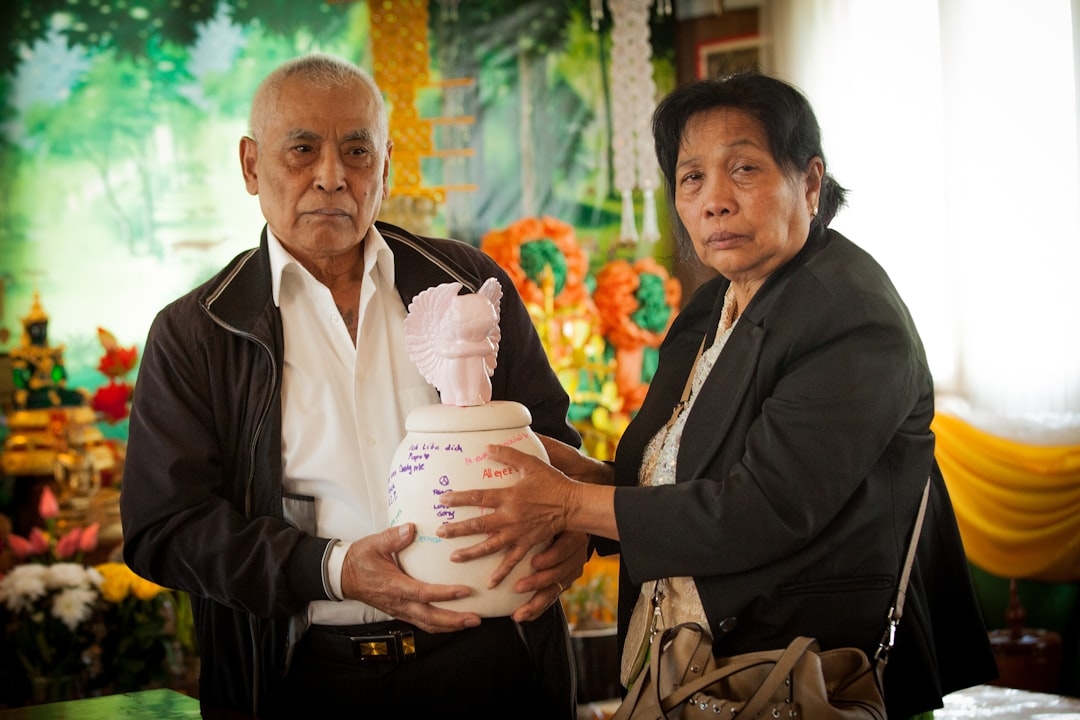
Most Buddhist funerals — whether following Theravāda, Mahāyāna, or Zen traditions — share a common aesthetic: simplicity, calm, and whiteness. The mourning color in many Buddhist-majority cultures (including Chinese, Vietnamese, Thai, and Japanese communities in the US) is white, not black. This is a meaningful distinction. White signals purity and transition, not just grief.
Ceremonies typically last one to seven days depending on the family’s tradition, and flowers may be present throughout. Some families hold a three-day wake before cremation; others observe a seven-day mourning period. Knowing the timeline helps you decide when to send your arrangement — ideally, flowers should arrive before the first formal service, not a week after.
Best Buddhist Funeral Flowers to Send
White Blooms That Always Work
You genuinely can’t go wrong with an all-white arrangement. These are the flowers most commonly seen at Buddhist memorial services across the US:
- White chrysanthemums — The most traditional choice in East Asian Buddhist funerals. A standard sympathy spray of white mums typically runs $35–$55 at florists.
- White lilies — Stargazer or Asiatic lilies in white are widely available year-round and carry a quiet elegance. Expect to pay $40–$70 for a medium arrangement.
- White orchids — Long-lasting and graceful, orchids are a particularly good choice if you’re sending flowers to a home rather than a funeral hall. A potted white phalaenopsis orchid ($25–$50) can remain as a living tribute.
- White lotus flowers — The most symbolically resonant choice, though harder to source. Call specialty florists at least 72 hours in advance if you want these.
- White carnations — Budget-friendly and widely available; a mixed white carnation spray can be had for $20–$35.
A Seasonal Flower Calendar to Plan By
Availability matters — especially if you’re ordering on short notice. Here’s a rough US seasonal guide for white sympathy flowers:
- Spring (March–May): White tulips, white ranunculus, white peonies (late May). Abundant and affordable.
- Summer (June–August): White dahlias, white lisianthus, white hydrangeas. Hydrangeas are especially full and lush this time of year.
- Fall (September–November): White chrysanthemums peak in fall — this is the ideal season to source them locally.
- Winter (December–February): White roses and white amaryllis hold up well. Imported lilies are reliably available year-round from wholesalers.
What to Avoid When Choosing Buddhist Sympathy Flowers
A few missteps are easy to make — especially if you’re used to Western funeral conventions where mixed colorful bouquets are common.
- Red flowers: Red is strongly associated with luck, celebration, and weddings in many Asian cultures. Sending red blooms to a Buddhist funeral can feel deeply inappropriate.
- Heavily fragrant arrangements: Some Buddhist ceremonies involve periods of quiet meditation. Overpowering scents (think tuberose or gardenias in large quantities) can be disruptive. Keep fragrance subtle.
- Very large or showy arrangements: Buddhist aesthetics lean toward simplicity. A towering 24-inch floral cascade may feel out of place. Aim for modest, clean arrangements rather than grand gestures.
- Fruit-and-flower mixed baskets: These are fine as a condolence gift to the home, but typically not appropriate for the altar or service itself.
Practical Tips for Ordering and Sending
Communicate With Your Florist
When you call or order online, say explicitly: “This is for a Buddhist funeral service — I need an all-white arrangement, simple and modest.” A good florist will know exactly what to do. If you’re ordering from a national delivery service, look for options labeled “white sympathy” or “all-white funeral” rather than the generic “sympathy” category, which often includes pinks and purples.
Timing Your Delivery
Aim to have flowers delivered at least two hours before the service begins. If you’re sending to a funeral home, call ahead to confirm the receiving window — many homes accept deliveries between 9 a.m. and 4 p.m. For home deliveries during a multi-day mourning period, the first day is most impactful.
Include a Respectful Card Message

Keep your card message brief and sincere. Avoid religious language unless you know the family well. Something like “With deepest sympathy and respect” or “Honoring [name]’s memory with love” works across all traditions. Skip phrases like “Rest in Heaven” which carry specifically Christian connotations.
Budget Guidance
For a coworker or acquaintance, $30–$50 is entirely appropriate. For a close friend’s family, $60–$100 shows deeper care. If you’re contributing to a group arrangement, $15–$25 per person is standard. Many local florists offer same-day delivery for funeral orders placed before noon.
FAQ: Buddhist Funeral Flowers
Are flowers appropriate at a Buddhist funeral?
Yes. Flowers are a traditional and welcome offering at Buddhist funerals. White flowers — particularly chrysanthemums, lilies, and lotuses — are the most respectful choices.
What color flowers do you bring to a Buddhist funeral?
White is the standard color for Buddhist funeral flowers in most traditions. Avoid red (associated with celebration) and be cautious with bright mixed colors. Pale yellow or soft lavender are acceptable secondary options in some traditions, but all-white is always safest.
Can you send a potted plant instead of cut flowers?
A white orchid or peace lily in a pot is a thoughtful alternative, especially for sending to the family’s home. It lasts longer than cut flowers and can serve as an ongoing memorial.
Is it okay to send flowers if I’m not Buddhist?
Absolutely. Sending white flowers is a universally understood gesture of sympathy and respect. You don’t need to share someone’s faith to honor their loss appropriately.
What should I write on the card with Buddhist funeral flowers?
Keep it simple and non-denominational. “With deepest sympathy” or “In loving memory of [name]” works well. Avoid phrases tied to specific religious beliefs about the afterlife unless you know the family shares them.
Honoring Someone the Right Way With Buddhist Funeral Flowers
Choosing the right Buddhist funeral flowers isn’t complicated once you know the basics: think white, think simple, think timely. A modest spray of white chrysanthemums or a single potted orchid can carry more meaning than an elaborate arrangement in the wrong colors. The gesture itself — the act of sending something living and beautiful — is what the family will remember.
If you want to go a step further, consider calling a local florist who specializes in Asian floral traditions. They’ll often have access to lotus blooms, white plum blossoms, or specialty stems that a national delivery chain won’t carry. That extra effort? It shows.