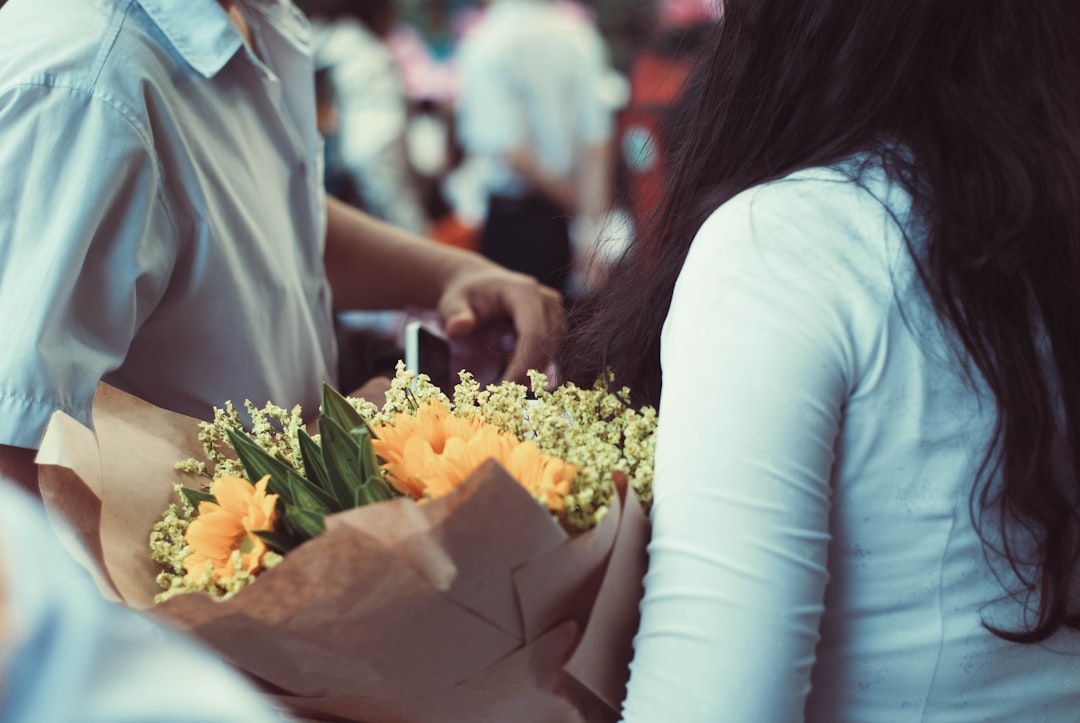
Can You Send the Same Type of Flowers to Two Different People?
Contents:
- Why People Send the Same Flowers to Multiple Recipients
- When Sending the Same Flowers to Different People Works Perfectly
- Celebration and Gratitude Occasions
- Sympathy and Condolence Flowers
- Bulk Corporate or Event Gifting
- When You May Want to Differentiate Your Flower Choices
- Romantic Relationships
- Culturally Sensitive Gifting
- The Eco-Friendly Case for Standardizing Your Flower Orders
- Quick Cost Breakdown: Sending the Same Bouquet to Multiple People
- Practical Tips for Sending the Same Flowers to Multiple People
- Frequently Asked Questions
- Is it rude to send the same flowers to two different people?
- Do flowers have different meanings for different people?
- What flowers are safe to send to multiple people without confusion?
- Can I send the same flowers to a friend and a romantic partner?
- How do I save money when sending flowers to multiple people?
- Moving Forward: Build a Go-To Flower Strategy
Florists process an average of 12 to 15 orders per hour during peak holidays — and a significant portion of those orders are identical arrangements sent to multiple recipients. Sending the same flowers to different people is far more common than most senders realize, and in the vast majority of cases, it carries no social or symbolic conflict whatsoever. Still, context matters. The relationship, the occasion, and the flower variety all shape whether a repeated choice feels thoughtful or careless.
Why People Send the Same Flowers to Multiple Recipients
Practicality drives most of these decisions. A person ordering thank-you bouquets for three colleagues after a successful project launch doesn’t need to reinvent the arrangement each time. Roses, sunflowers, and mixed seasonal arrangements are the most frequently duplicated orders because they read as universally positive — no hidden meanings, no ambiguous symbolism.
There’s also the matter of cognitive load. Choosing flowers is already a decision-heavy process. Selecting a different arrangement for every recipient multiplies that effort significantly. For senders who value consistency — a teacher sending the same tulip bouquet to each of her students’ families at year-end, for example — repetition is a feature, not a flaw.
When Sending the Same Flowers to Different People Works Perfectly
Celebration and Gratitude Occasions
Birthdays, graduations, congratulations, and thank-you gestures are the lowest-risk contexts for repeating a flower choice. A cheerful arrangement of yellow gerbera daisies or a mixed bouquet of white alstroemeria and lavender statice works for a colleague, a neighbor, and an aunt without any of them feeling like an afterthought. These flowers communicate warmth without specific romantic or familial coding.
Sympathy and Condolence Flowers
Sympathy arrangements are almost always standardized — and intentionally so. White lilies, soft white roses, and green foliage form the backbone of most condolence bouquets sent across the US. Sending the same quiet, respectful arrangement to two different people grieving a loss is not only acceptable but often preferred. Consistency here signals respect, not laziness.
Bulk Corporate or Event Gifting
Corporate gifting at scale routinely uses identical arrangements. A company sending 50 identical potted orchids to clients for a product launch doesn’t raise eyebrows — it signals brand cohesion. A single-stem white phalaenopsis orchid in a ceramic pot typically runs $25–$45 per unit at wholesale-adjacent pricing through services like FTD or Teleflora, making it a cost-effective, elegant standard choice.
When You May Want to Differentiate Your Flower Choices
Romantic Relationships
This is the one context that deserves more care. Sending the same red rose arrangement to a spouse and a new romantic interest on the same day, for instance, can feel impersonal if either person later discovers the duplication. Red roses carry specific cultural weight in the US — they’re the single most purchased Valentine’s Day flower, accounting for roughly 250 million stems sold annually. When a flower carries that kind of symbolic weight, repeating it across romantic recipients may dilute its meaning.
A simple fix: vary the vessel, the count, or the secondary flowers. A dozen red roses in a crystal vase versus six red roses with eucalyptus in a kraft wrap read as distinct gifts even if the centerpiece bloom is identical.
Culturally Sensitive Gifting
Flower symbolism shifts dramatically across cultures. White chrysanthemums signal mourning in many East Asian traditions but are used as cheerful table arrangements in France. If you’re sending flowers to recipients from different cultural backgrounds — say, one Japanese-American recipient and one Italian-American recipient — research the associations before defaulting to a single repeated choice. The same flowers, different people equation changes when the flowers carry different meanings to each receiver.
The Eco-Friendly Case for Standardizing Your Flower Orders
There’s a quiet sustainability argument for sending identical arrangements. When you order the same seasonal flower in bulk — say, locally grown sunflowers from a US farm in late summer — you reduce the demand for air-freighted exotic varieties. Roughly 80% of cut flowers sold in the US are imported, primarily from Colombia and Ecuador, generating a significant carbon footprint per stem. Consolidating orders around a single in-season variety reduces packaging waste, simplifies cold-chain logistics, and often supports domestic flower farmers.
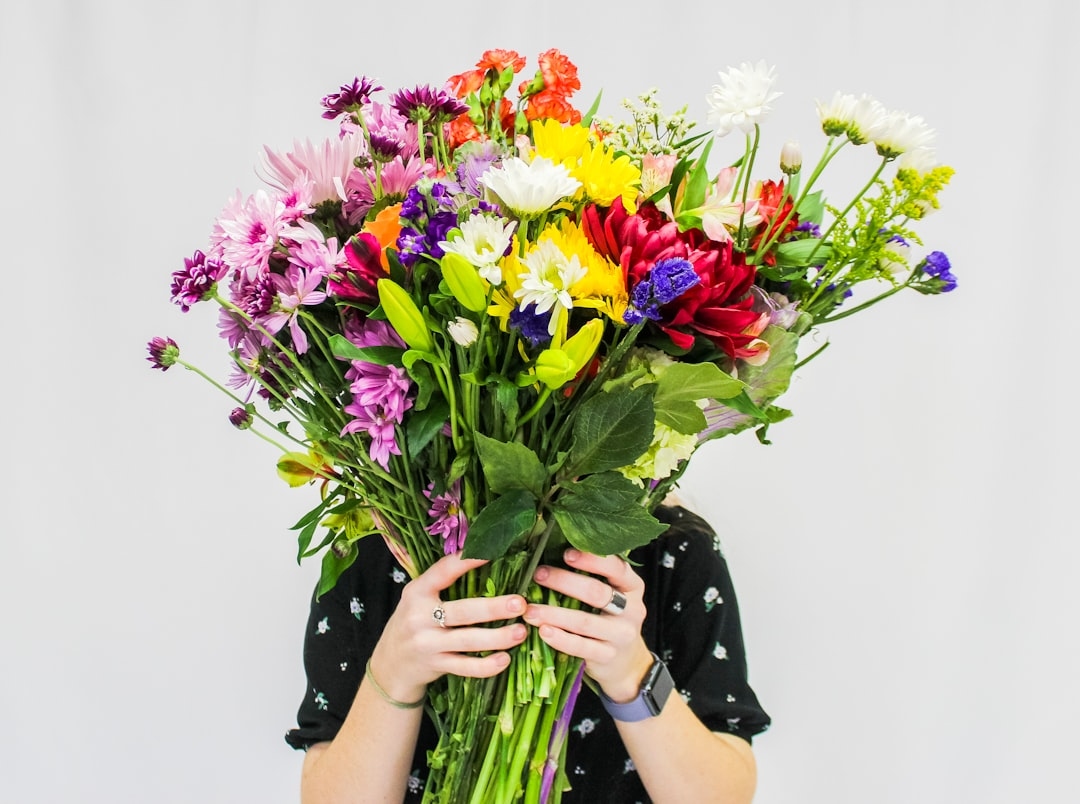
Look for florists who participate in the Certified American Grown program or who source from regional farms. A standard bouquet of locally grown mixed dahlias in season costs between $18–$35 — comparable to imported alternatives, but with a fraction of the transit miles.
Quick Cost Breakdown: Sending the Same Bouquet to Multiple People
- Budget tier ($20–$35 per arrangement): Mixed seasonal blooms, alstroemeria, carnations, or a single-variety bunch like sunflowers. Widely available through 1-800-Flowers, Teleflora, or local florists.
- Mid-range tier ($45–$75 per arrangement): Rose bouquets, tulip arrangements, or potted succulents. Appropriate for professional relationships or close friends.
- Premium tier ($80–$150+): Orchid plants, peonies (in season), or custom-designed arrangements. Best reserved for significant occasions or close relationships where the gesture needs to match the moment.
Most national delivery services offer multi-recipient discounts for 3 or more identical orders placed simultaneously. FTD, for example, occasionally runs “send to multiple addresses” promotions that reduce the per-order delivery fee by $5–$8.
Practical Tips for Sending the Same Flowers to Multiple People
- Personalize the card, not the flowers. A handwritten note referencing a specific shared memory makes any arrangement feel individual, even if the blooms are identical.
- Vary the container. The same flowers in a mason jar versus a tall glass cylinder read as different gifts at a glance.
- Choose seasonally. Seasonal flowers feel intentional. Peonies in May, dahlias in August, amaryllis in December — each variety signals that you chose something timely, not just convenient.
- Check delivery windows. If two recipients know each other, stagger delivery dates by a day or two to reduce any chance of comparison.
- Ask your florist about stem count adjustments. A 6-stem arrangement versus a 12-stem version of the same flowers can signal different levels of formality or affection without requiring a completely different design.
Frequently Asked Questions
Is it rude to send the same flowers to two different people?
No, it is generally not rude. Sending identical flowers to multiple recipients is common practice for occasions like birthdays, thank-you gestures, sympathy, and corporate gifting. The main exception is when the flowers carry strong romantic symbolism — like red roses — and both recipients are in close personal relationships with you.
Do flowers have different meanings for different people?
Yes. Flower symbolism varies by culture, context, and personal history. White flowers, for example, signal purity in Western contexts but mourning in several East Asian traditions. When sending the same variety to people from different cultural backgrounds, it’s worth verifying the meaning is appropriate for each recipient.
What flowers are safe to send to multiple people without confusion?
Mixed seasonal bouquets, sunflowers, gerbera daisies, tulips, and alstroemeria are broadly positive in meaning and appropriate across most relationships and occasions. These are the lowest-risk choices for repeat gifting.
Can I send the same flowers to a friend and a romantic partner?
Yes, though for romantic partners, consider differentiating the arrangement slightly — adjust stem count, add a unique secondary flower, or change the vessel. This preserves the feeling of a distinct, personal gesture even if the central flower variety is the same.
How do I save money when sending flowers to multiple people?
Order identical arrangements from a single florist or delivery service and ask about multi-recipient pricing. Choose in-season, domestically grown flowers. Budget arrangements in the $20–$35 range using carnations, alstroemeria, or sunflowers can feel just as thoughtful as premium options when paired with a sincere personal note.
Moving Forward: Build a Go-To Flower Strategy
Rather than rethinking every order from scratch, consider building a small personal “flower vocabulary” — two or three reliable arrangements for different relationship tiers and occasion types. A warm seasonal bouquet for colleagues and acquaintances, a more considered mid-range arrangement for close friends and family, and a fully customized choice reserved for the most significant relationships. This approach saves time, keeps costs predictable, and ensures that the people who matter most still receive something that feels made for them specifically. Your florist can help you build this out — most are happy to set up recurring or template orders for regular customers.