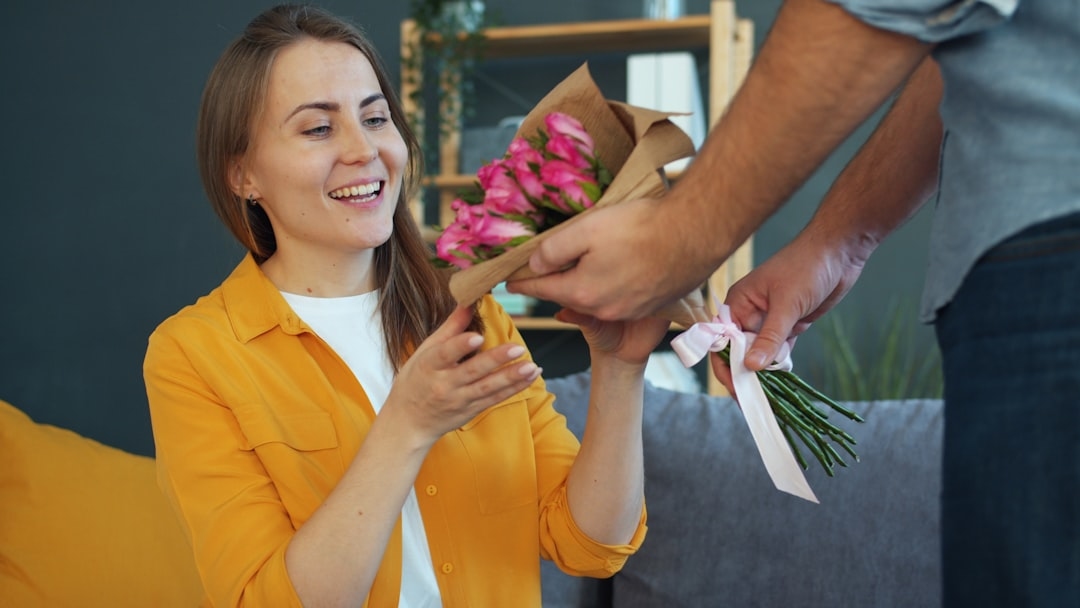
Should Men Receive Flowers — Or Is That Just for Women?
Contents:
- A Brief History of Men and Flowers
- Men Receiving Flowers Etiquette: What You Actually Need to Know
- Occasion Matters More Than Gender
- The Relationship Dynamic
- Choosing the Right Flowers for a Man
- Arrangements That Work Well
- Colors and Stems to Lean Into
- Regional Differences in How This Is Received
- The Eco-Friendly Angle Worth Considering
- Common Mistakes to Avoid
- Frequently Asked Questions
- Is it appropriate to give a man flowers?
- What flowers are best to give a man?
- How do you give flowers to a man without it being awkward?
- Is it normal for men to receive flowers from friends?
- How much should you spend on flowers for a man?
- Make the Gesture — Then Let It Speak for Itself
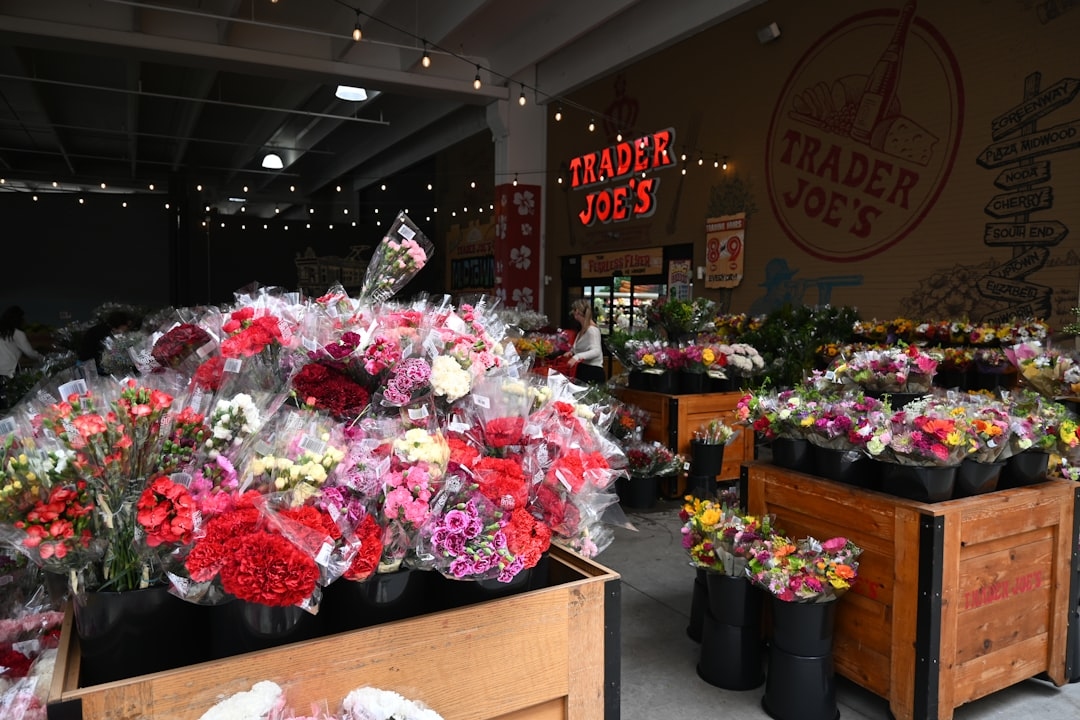
You’ve been standing in the floral shop for ten minutes, arrangement in hand, second-guessing everything. Is it weird to give a man flowers? Will he actually like it? Nobody told you the rules here — and honestly, that’s because the rules are changing faster than most people realize.
The short answer: no, flowers are not just for women. But the longer answer — who gives them, how to pick the right ones, and what the occasion calls for — is where things get genuinely interesting. Men receiving flowers etiquette isn’t some niche topic anymore. It’s a real conversation happening at graduation parties, hospital rooms, and corner offices across the country.
A Brief History of Men and Flowers
For most of recorded history, men were deeply connected to flowers. Ancient Roman emperors wore laurel and rose crowns. Victorian gentlemen sent elaborate floral arrangements with coded meanings. Even through much of the early 20th century, men wore boutonnieres daily — not just at weddings.
The idea that flowers belong exclusively to women is a fairly recent invention, largely shaped by post-WWII marketing that tied femininity to floral consumption. Florists in the 1950s and 60s leaned hard into the “send her flowers” narrative, and it stuck. But that cultural packaging is now coming undone — and quickly.
A 2026 survey by the Society of American Florists found that nearly 45% of respondents said they would be comfortable giving flowers to a man, up significantly from just a decade prior. The shift is real, and it’s accelerating.
Men Receiving Flowers Etiquette: What You Actually Need to Know
The etiquette here isn’t complicated once you strip away the assumptions. The core principle is the same as any gift-giving: match the gesture to the relationship, the occasion, and the person’s personality. Flowers aren’t inherently feminine — certain presentations of flowers have been coded that way. There’s a difference.
Occasion Matters More Than Gender
Think about the moments when flowers make sense regardless of the recipient: a promotion, a retirement, a birthday milestone, a hospital stay, a graduation, a first home. These are flower moments. The fact that the person receiving them happens to be male doesn’t change the appropriateness — it just changes how you might style the arrangement.
A single $12 sunflower stem from a grocery store florist can hit just as hard as a $65 mixed bouquet when the timing is right. Don’t overthink the price point. Thought, not spend, is what lands.
The Relationship Dynamic
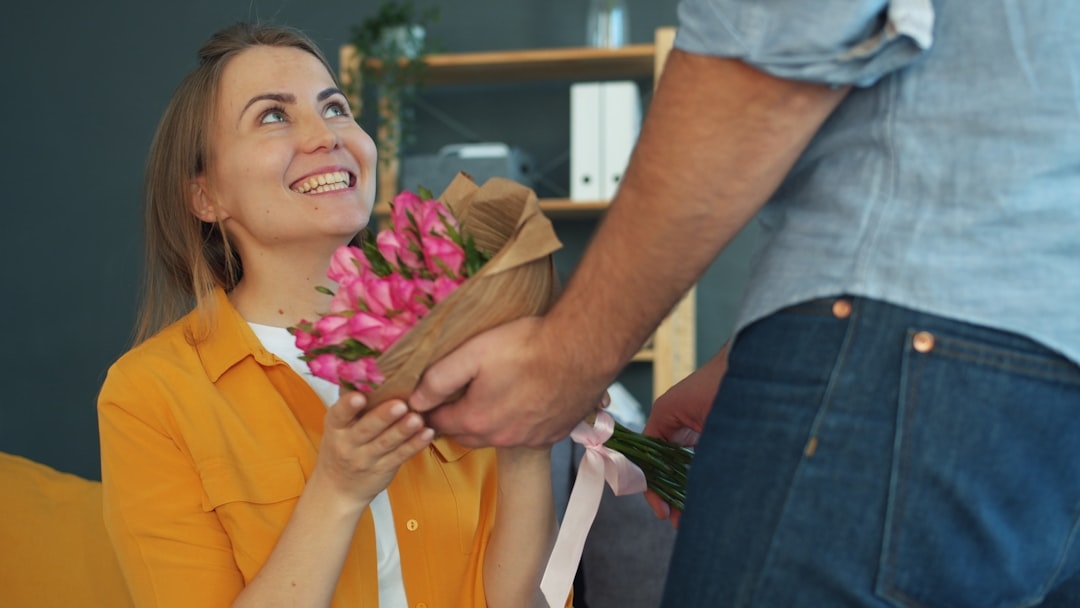
Romantic partners giving each other flowers regardless of gender is increasingly normalized — especially among couples under 40. Platonic gifting between friends, coworkers, and family members is a slightly bigger stretch for some people, but it’s gaining traction fast. A thoughtful arrangement from a sibling or close friend after a difficult life event? That reads as genuine and warm, not confusing.
Choosing the Right Flowers for a Man
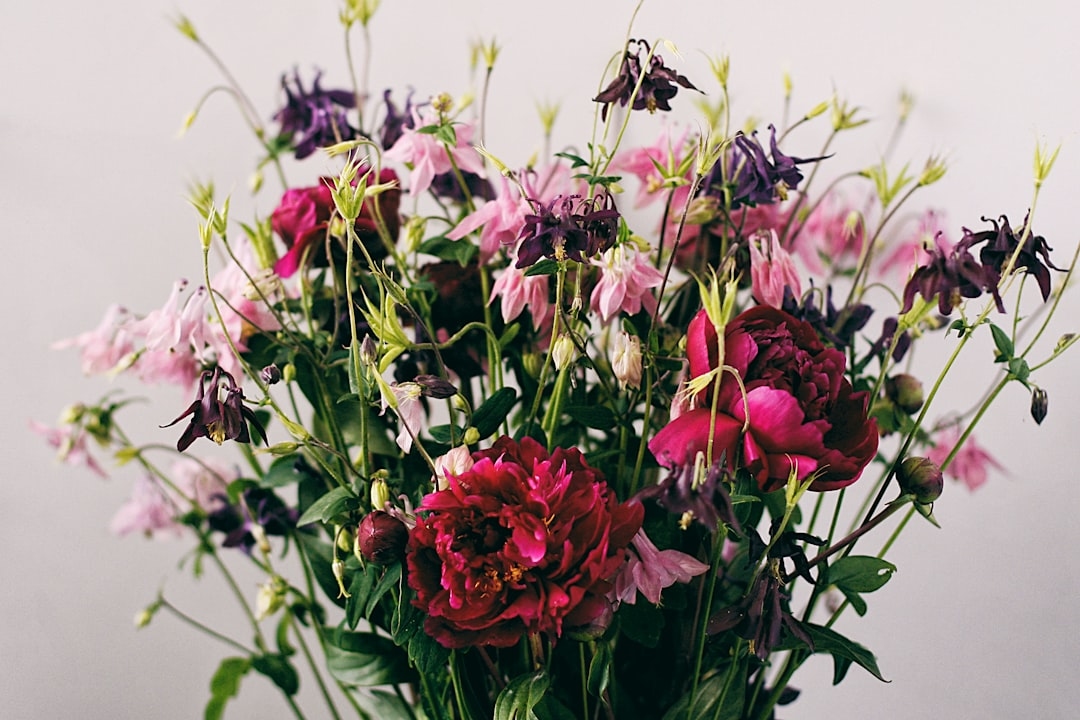
This is where the practical guidance matters. Not every arrangement translates equally. A lush pink peony cluster works beautifully for some men and feels off for others. The goal is to read the person, not default to what the display case suggests.
Arrangements That Work Well
- Single-stem or minimalist designs: One perfect orchid stem or a trio of bold dahlias in a simple vase feels intentional, not fussy. These typically run $10–$25 and punch above their price.
- Architectural flowers: Birds of paradise, protea, anthuriums, and tropical blooms have strong visual lines that photograph well and feel less traditionally “bouquet-like.” A three-stem tropical mix usually costs $20–$35 at a local florist.
- Potted plants as an alternative: A low-maintenance succulent arrangement or a small potted monstera can carry the same emotional weight as cut flowers and lasts far longer. Expect to spend $15–$40 at a garden center or nursery.
- Herbs and greenery bundles: A tied bundle of fresh rosemary, eucalyptus, and sage is aromatic, practical, and genuinely beautiful. Most grocery store floral sections carry these for under $10.
Colors and Stems to Lean Into
Deep jewel tones — burgundy, forest green, navy-hued hydrangeas — and neutral whites tend to feel more versatile for male recipients. That said, if the man in question loves bold color, sunflowers, orange ranunculus, and yellow tulips are all fair game. Let his personality guide you, not a gender checklist.
Regional Differences in How This Is Received
Geography quietly shapes these interactions more than people admit. In major Northeast cities like New York and Boston, giving a male colleague or friend flowers reads as cosmopolitan and thoughtful — it’s not a big deal. The cultural baseline there is more progressive around these norms.
In parts of the South, traditional gender norms around gifting can run stronger. That doesn’t mean it’s unwelcome — it just means the context and relationship need to be a bit clearer. A card that explains the occasion removes any ambiguity and keeps the focus on the gesture itself.
On the West Coast, particularly in cities like Portland, Seattle, and Los Angeles, floral gifting across genders is fairly unremarkable. Farmers markets and local florists in these areas have long catered to non-traditional arrangements and buyers, making the cultural groundwork already laid.
The Eco-Friendly Angle Worth Considering
If you’re buying flowers for someone who cares about sustainability — and increasingly, many people do — the sourcing matters. Most conventionally sold cut flowers in the US are imported from Colombia or Ecuador and treated with significant pesticide loads before arriving at your grocery store.
Look for locally grown, seasonal flowers from a farmers market or a florist who sources domestically. The Slow Flowers movement (slowflowers.com) maintains a directory of US-based sustainable flower growers by state. Arrangements built from local, in-season stems often cost less than imported exotics — a seasonal wildflower bundle in summer can run as low as $8–$15 — and carry a genuine story you can share with the recipient.
Common Mistakes to Avoid
- Over-explaining the gift: If you hand someone flowers and immediately say “I know this is weird but—” you’ve undermined the gesture before it lands. Present it simply and warmly.
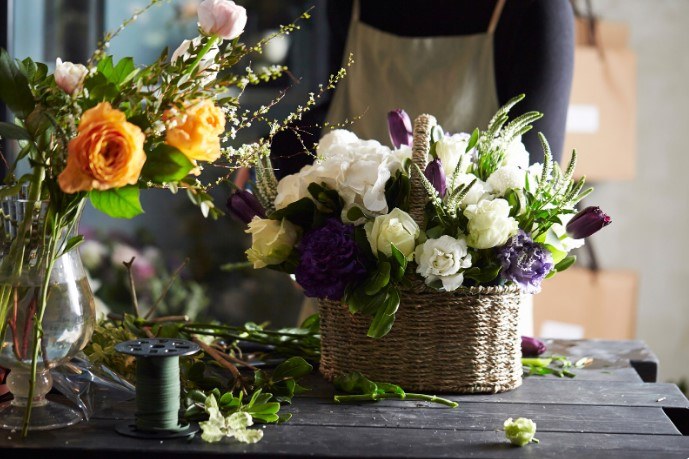
- Defaulting to the wrong vibe: A heavily pastel, ribbon-wrapped arrangement with baby’s breath might feel mismatched for some male recipients. Opt for clean, intentional styling.
- Ignoring allergies: Lilies are a common allergen, and strongly scented flowers can trigger reactions. If you’re unsure, go low-fragrance — tulips, sunflowers, and most tropical stems are typically safe.
- Skipping the card: A small note tied to the arrangement adds context and emotional weight. It doesn’t need to be long — three sentences is plenty.
- Assuming he won’t want them displayed: Many men simply don’t own a vase. Consider presenting the flowers in a simple vessel or mason jar so there’s no barrier to enjoying them right away.
Frequently Asked Questions
Is it appropriate to give a man flowers?
Yes. Flowers are a universally appropriate gift for significant occasions — promotions, birthdays, illness, loss, and celebrations. Gender doesn’t determine whether the gesture is appropriate; the occasion and relationship do. Men receiving flowers etiquette follows the same core principles as any thoughtful gifting.
What flowers are best to give a man?
Architectural blooms like birds of paradise, protea, and anthuriums work well. Single-stem arrangements, tropical mixes, and potted plants are also strong choices. Deep jewel tones and clean, minimalist presentations tend to feel most versatile for male recipients, though personal taste always takes priority.
How do you give flowers to a man without it being awkward?
Present them confidently, include a short note explaining the occasion, and avoid over-apologizing for the gesture. Awkwardness usually comes from the giver’s hesitation, not the flowers themselves. Choose an arrangement that fits his personality, and the moment will feel natural.
Is it normal for men to receive flowers from friends?
Increasingly, yes. Platonic flower gifting between friends is growing more common, particularly in urban areas and among younger demographics. A thoughtful arrangement after a difficult event or major milestone is a generous gesture between any two people, regardless of gender.
How much should you spend on flowers for a man?
You don’t need to overspend. A single architectural stem or a small potted plant in the $12–$25 range is entirely appropriate for most occasions. For major milestones like a retirement or graduation, a curated arrangement in the $35–$55 range makes a strong impression without being excessive.
Make the Gesture — Then Let It Speak for Itself
The next time you’re standing in that floral shop second-guessing yourself, remember: the hesitation is cultural conditioning, not instinct. Flowers are one of the oldest human gestures of care, and they were never meant to belong to one gender.
Pick the stems that feel right for the person in front of you. Keep a small vase or mason jar on hand if you want to make it extra easy for him to display them. And if you’re buying local and seasonal, you’re doing something genuinely good — for your wallet, for the environment, and for the grower down the road who grew something beautiful specifically for a moment like this one.
Start simple. One stem. A real note. That’s all it takes.