Is It Weird to Text Thank You for Flowers, or Should You Call?
Contents:
- Why the Thanking for Flowers Text vs Call Question Actually Matters
- The Relationship Variable
- Regional Etiquette Differences Across the US
- Timing: A Seasonal and Situational Calendar
- What to Actually Say: Scripts for Both Mediums
- If You’re Calling
- If You’re Texting
- A Reader Story That Illustrates the Stakes
- Practical Tips for Budget-Conscious Senders Who Also Receive Flowers
- FAQ: Thanking for Flowers — Text vs. Call
- Is it rude to text a thank you for flowers instead of calling?
- How soon should you thank someone for sending flowers?
- Should you thank someone for sympathy flowers by text?
- What do you say when texting a thank you for flowers?
- Does the type of flowers affect how you should respond?
- The One Rule That Overrides All Others
The thanking for flowers text vs call debate surfaces every time a beautiful arrangement arrives at your door — and the answer depends on more than just personal preference. Social scientists who study gift-giving behavior have found that the medium of gratitude actually signals how much you value both the gift and the giver. Get it wrong, and a genuinely lovely gesture can feel like an afterthought.
Flowers are perishable. They carry emotional weight precisely because they expire. Someone spent real money — the average floral arrangement in the US runs between $50 and $85 — and chose something that would brighten your space for only a week or two. That intentionality deserves a response calibrated to match it.
Why the Thanking for Flowers Text vs Call Question Actually Matters
Gratitude research — yes, this is a legitimate field — consistently shows that the perceived sincerity of a thank-you hinges on effort. A 2018 study published in Psychological Science found that thank-you note recipients rated expressions of gratitude as far more meaningful than senders predicted, and that the warmth of the delivery medium amplified that effect. A phone call takes more courage and effort than a text. That gap is subconsciously registered.
But “more effort is always better” isn’t the full picture. Context, relationship, and timing all reshape the calculus considerably.
The Relationship Variable
Think of your relationship with the sender as falling into one of three tiers:
- Tier 1 — Close family and romantic partners: A call is almost always the right move. These are people who know your voice and want to hear it.
- Tier 2 — Friends, coworkers, acquaintances: A thoughtful text is completely appropriate, especially if your communication with them is primarily text-based already.
- Tier 3 — Professional contacts or distant relatives: A handwritten note or an email carries more weight than a text, and signals that you treat professional courtesies seriously.
Regional Etiquette Differences Across the US
Gratitude norms are not uniform across American regions, and florists who operate nationally will tell you this shapes their customers’ behavior noticeably.
In the Northeast — particularly New York and Boston — directness is prized. A prompt, clear text or a brief call is considered efficient and respectful of people’s time. Lengthy emotional messages can feel performative in these cultural contexts.
The South operates on a different social frequency entirely. A handwritten thank-you card following flowers — especially for sympathy arrangements or wedding gifts — is still considered the gold standard in many communities. Skipping it in favor of a text can read as casual to the point of dismissive, particularly among older generations.
On the West Coast, and especially in urban centers like Seattle and Los Angeles, texting has fully normalized across age groups. A warm, specific text — one that mentions the flowers by name or notes how they brighten a specific corner of your home — lands just as well as a call, and sometimes better, because it gives the recipient something to reread.
Timing: A Seasonal and Situational Calendar
When you thank someone matters almost as much as how you thank them. Here’s a rough seasonal framework for flower thank-you etiquette:
- Valentine’s Day (February): Call within 24 hours. This is a high-stakes emotional occasion. A text risks reading as cold.
- Mother’s Day (May): Text is fine if you’re sending a follow-up after already speaking in person. If the flowers arrived by delivery and you haven’t talked yet, call.
- Graduations and Birthdays (May–August): A text the same day is ideal. These are celebratory, lower-pressure contexts where quick acknowledgment feels natural.
- Sympathy flowers (year-round): Never text as your first response. Call or send a card. Grief deserves your voice or your handwriting.
- Holiday arrangements (November–December): Either works, but calling an elderly relative who sent poinsettias or amaryllis is a gesture they will remember far longer than you expect.
One practical rule: thank someone within 48 hours of receiving flowers. After 72 hours, any medium starts to feel belated, and you’ll need to acknowledge the delay in your message.
What to Actually Say: Scripts for Both Mediums
If You’re Calling
Keep it under two minutes unless the conversation naturally extends. Lead with the flowers immediately — don’t bury the reason for your call in small talk. A structure that works: acknowledge the specific flowers, say what they made you feel, and connect it back to the giver.
Example: “I just wanted to call because the sunflowers you sent are absolutely stunning — they’re sitting on my kitchen table right now and they make the whole room feel different. It really meant a lot that you thought of me.”
If You’re Texting
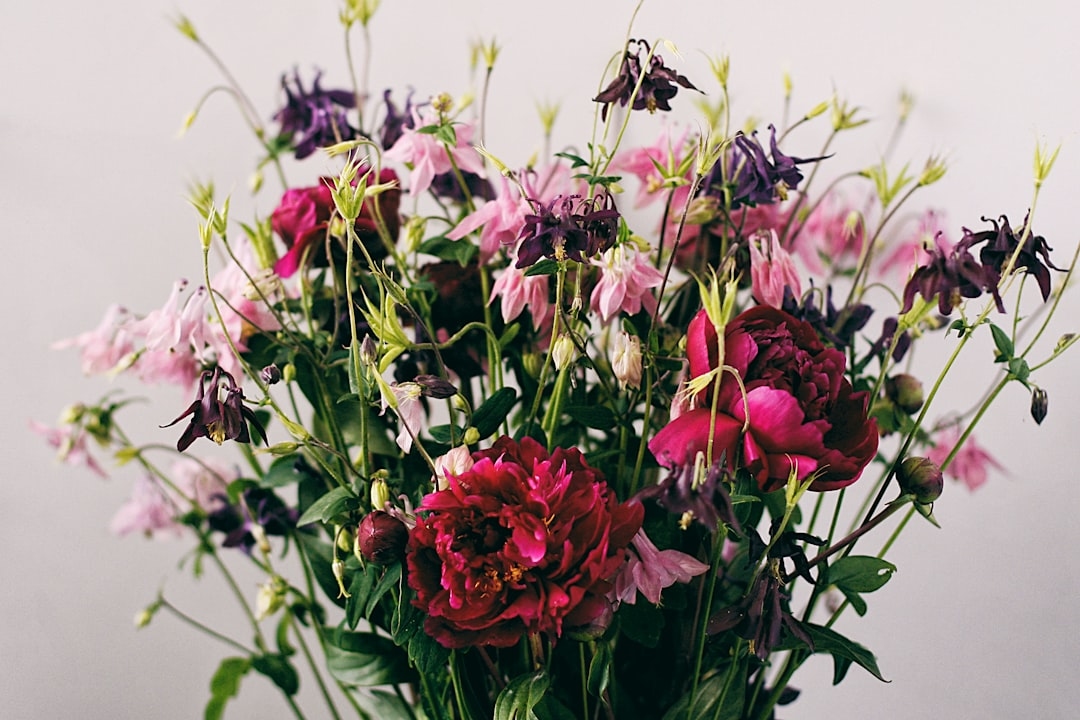
Specificity is everything in a thank-you text. Generic texts — “Thank you so much for the flowers!” — register as obligatory. Mention a detail: the color, the fragrance, the unexpected inclusion of eucalyptus, the fact that the peonies were your grandmother’s favorite. That specificity communicates that you actually noticed what was sent.
Example: “Those deep burgundy roses are still going strong four days later — I had no idea they’d last this well. Thank you for sending something so thoughtful.”
A Reader Story That Illustrates the Stakes
A woman in her late thirties — call her Dana — received a lavish sympathy arrangement from her coworker after her father passed away. Tulips, white lilies, and a handwritten card. Dana, exhausted and overwhelmed, sent a quick “thank you so much, these are beautiful 🌷” text. Her coworker, who had driven twenty minutes out of her way to place a custom order at a local florist, felt deflated. She didn’t say anything, but the dynamic between them shifted slightly. It wasn’t the text itself that stung — it was the mismatch between the effort invested and the effort returned.
Dana later sent a card, and the relationship recalibrated. But the lesson held: the medium of your thank-you communicates how carefully you received the gesture.
Practical Tips for Budget-Conscious Senders Who Also Receive Flowers
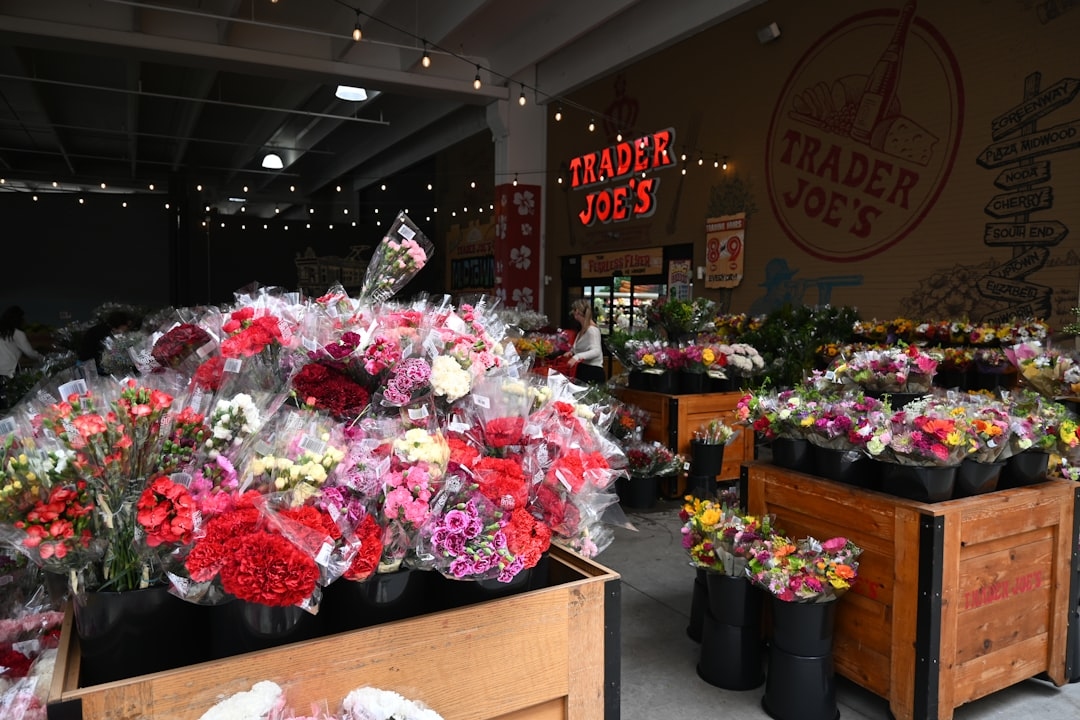
If you’re someone who tends to send flowers on a budget — using services like The Bouqs, Trader Joe’s bouquets ($9–$15), or grocery store arrangements — you may feel that a call seems like overkill for a modest gift. It isn’t. The recipient doesn’t always know what you spent. What they know is that you sent something living, something that took a decision. Honor that with at least a specific text, and upgrade to a call if the occasion was emotionally significant.
- If the flowers were under $30 and the relationship is casual: a specific, warm text is perfectly appropriate.
- If the flowers were a custom arrangement ($60+) for a milestone event: call, full stop.
- If you’re unsure: err toward calling. Nobody has ever complained that someone called to say thank you.
FAQ: Thanking for Flowers — Text vs. Call
Is it rude to text a thank you for flowers instead of calling?
Not inherently. Texting is widely accepted for casual and celebratory occasions. It becomes insufficient when the flowers were sent for a serious emotional reason — like sympathy or a major life event — or when the sender is someone who clearly invested significant effort or expense.
How soon should you thank someone for sending flowers?
Within 24 to 48 hours is the standard. After 72 hours, any form of thank-you should briefly acknowledge the delay: “I’ve been meaning to call since the flowers arrived…”
Should you thank someone for sympathy flowers by text?
No. Sympathy arrangements call for a phone call, a handwritten note, or both. A text-only response can feel dismissive of the emotional gravity of the gesture, even if that’s not your intention.
What do you say when texting a thank you for flowers?
Be specific. Mention a detail about the arrangement — a particular flower, a color, how long they’ve lasted — and connect the gesture back to how it made you feel. Avoid generic phrases like “so thoughtful” without any supporting detail.
Does the type of flowers affect how you should respond?
Indirectly, yes. A simple grocery store bouquet for a birthday calls for a friendly text. A custom-designed arrangement from a specialty florist for a wedding or funeral warrants more formal acknowledgment — a call or a card.
The One Rule That Overrides All Others
Choose the medium that would feel most meaningful to the specific person who sent the flowers — not the medium that’s easiest for you. If your aunt still listens to voicemails and treasures phone calls, call her. If your college friend communicates entirely in texts and memes, a heartfelt, specific text will land better than an awkward call. Gratitude is most effective when it’s delivered in the recipient’s language, not yours.
Start there, and the text-vs-call question answers itself.