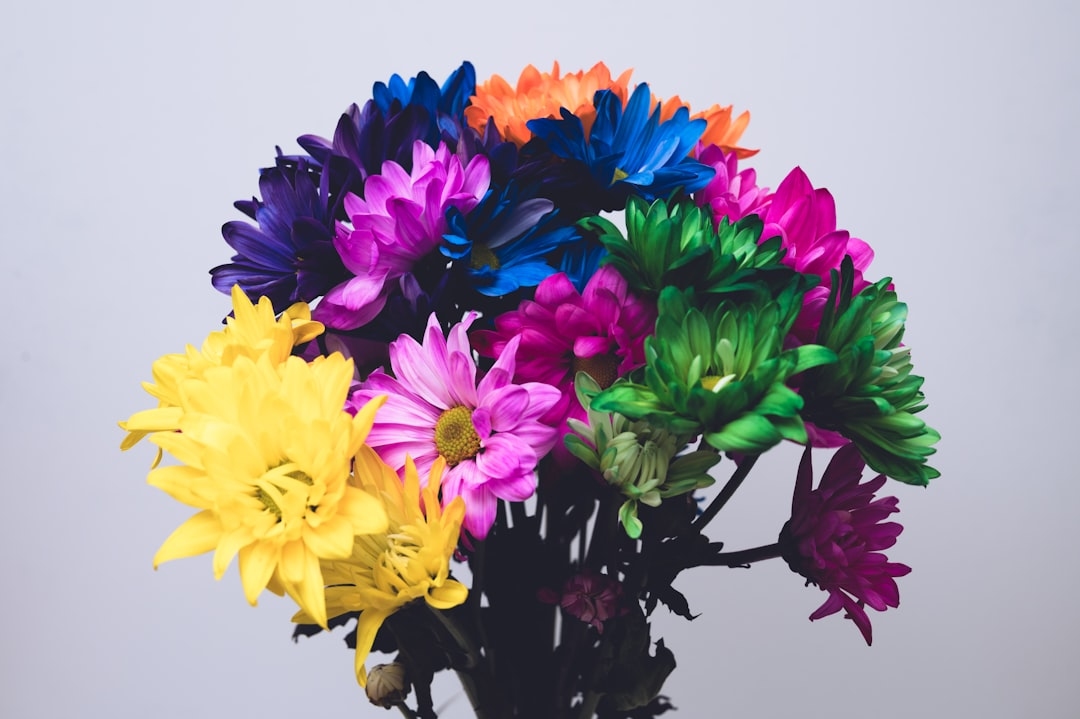
Is It Weird to Send Yourself Flowers?
Contents:
- Why People Send Themselves Flowers
- The Social Perception of Sending Yourself Flowers
- A Reader Story That Puts It in Perspective
- How to Order Flowers for Yourself: Practical Tips
- Choosing the Right Arrangement
- Local Florist vs. Online Delivery
- Timing Your Delivery
- Common Mistakes to Avoid
- Making It a DIY Practice
- Sending Flowers to Yourself for a Specific Occasion
- FAQ: Sending Yourself Flowers
- Is it weird to send flowers to yourself?
- How do I order flowers delivered to myself?
- How much does it cost to send yourself flowers?
- What flowers are best to buy for yourself?
- Can sending yourself flowers become a regular habit?
- Start With One Bouquet
Picture this: you’ve just wrapped up a brutal week at work, your houseplants are the only greenery in sight, and you scroll past a stunning bouquet of garden roses on Instagram. A small thought surfaces — why don’t I just buy myself those? Then, almost instantly, a second thought follows: is that weird? It isn’t. And you’re far from the first person to wonder.
Sending yourself flowers has quietly shifted from a quirky impulse into a recognized self-care practice. Florists across the US report a steady rise in single-recipient orders where the billing and delivery address are identical. FTD noted in a post-pandemic consumer report that “treat yourself” gifting — including flowers — increased by over 30% between 2020 and 2026. The bouquet doesn’t need a recipient card with someone else’s name on it to mean something.
Why People Send Themselves Flowers
There’s no single reason. For some, it’s about marking a personal milestone — a promotion, finishing a certification, or finally completing a home renovation project. For others, it’s simpler: they like fresh flowers in the house and have stopped waiting for someone else to provide them.
Psychologists who study gift-giving behavior point to a concept called “self-gifting” — deliberate purchases made for oneself as a reward or mood booster, not out of necessity. A 2026 study published in the Journal of Consumer Psychology found that intentional self-gifts produced measurable increases in positive affect, particularly when the purchase felt celebratory rather than impulsive. A bouquet of sunflowers on your kitchen table qualifies.
Flowers also carry sensory weight that most objects don’t. Their scent, color, and gradual bloom-and-fade cycle engage the senses over days. Research from Rutgers University found that participants who received flowers reported lower stress and higher life satisfaction scores than those who received non-floral gifts of equivalent monetary value. The same effect applies whether someone else ordered the arrangement or you did.
The Social Perception of Sending Yourself Flowers
Here’s the honest answer to the question most people are really asking: some people might raise an eyebrow. But that number is shrinking fast, and the demographic doing the eyebrow-raising skews older.
Millennials and Gen Z have broadly normalized self-gifting as part of a wider cultural shift away from waiting for external validation. Florists marketing directly to younger consumers now routinely use language like “treat yourself” and “no occasion needed” in their campaigns. Teleflora, 1-800-Flowers, and independent local shops have all expanded their self-gifting messaging in the past several years.
If you’re still worried about the optics, consider this: nobody at the flower shop is keeping score. The delivery driver doesn’t know the story. And anyone who sees the flowers in your home is far more likely to say “those are beautiful” than to ask probing questions about who sent them.
A Reader Story That Puts It in Perspective
A home gardener in Portland, Oregon shared her experience in an online DIY plant community: she’d spent three weekends building a raised garden bed, seeded it with zinnias and cosmos, and when the first blooms finally opened, she cut a full arrangement for her kitchen table. “I almost felt guilty about it,” she wrote. “Like I needed to be giving them to someone. Then I realized — I grew them. I built the bed. Who else would I give them to?” She started a small tradition of cutting herself a bouquet every Sunday morning during the growing season. Her only regret: not starting sooner.
That instinct — to feel like flowers need to go somewhere else — is worth examining. It often reflects an internalized idea that self-directed care requires justification. It doesn’t.
How to Order Flowers for Yourself: Practical Tips
The mechanics are straightforward, but a few decisions will make the experience more satisfying.
Choosing the Right Arrangement
Buy what you actually like, not what photographs well. If you find peonies overwhelming but love the clean lines of tulips, order tulips. This sounds obvious, but many people unconsciously default to “impressive” arrangements when buying for themselves — the same flowers they’d choose to impress someone else. You already know what you like. Use that knowledge.
For a weekly fresh-flower habit, a budget of $25–$45 covers most local florist arrangements and many grocery store bouquets. If you’re ordering for a specific occasion, same-day delivery from services like The Bouqs Co. or UrbanStems typically runs $55–$85 including delivery, with a wider variety of curated designs.
Local Florist vs. Online Delivery
Local florists generally offer fresher product and more flexible customization. Online services offer convenience and subscription options — UrbanStems’ weekly subscription starts at around $49 per delivery. For DIY enthusiasts, visiting a wholesale flower market (available in most major US cities) lets you hand-select stems and assemble your own arrangement for roughly half the retail cost of a pre-made bouquet.
Timing Your Delivery
Order flowers for mid-week delivery if possible — Tuesday through Thursday. Flowers cut on Monday from cooler storage arrive fresher than those sitting in weekend-rush logistics. Most arrangements last 5–10 days with proper care: fresh water every two days, stems trimmed at a 45-degree angle, and placement away from direct sunlight and fruit bowls (ethylene gas from ripening fruit accelerates wilting).
Common Mistakes to Avoid
- Ordering without checking bloom season: Peonies in January will be expensive and likely imported with shorter vase life. Buy what’s in season for better quality and value.
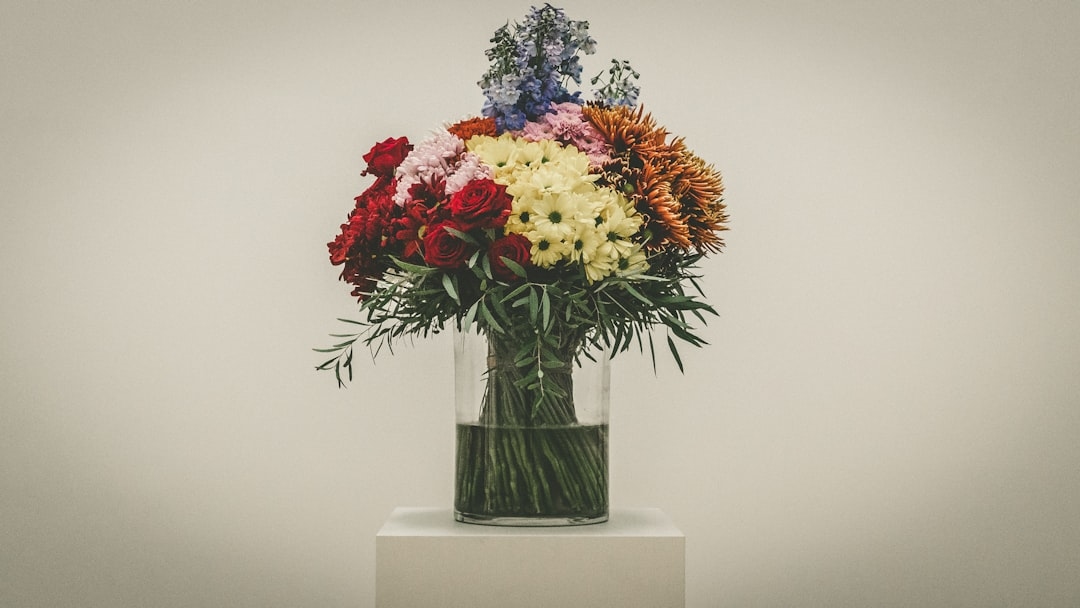
- Choosing a vase that’s too large: A small, tight arrangement in an oversized vase looks sparse. Match the vessel to the bouquet volume — stems should fill roughly two-thirds of the vase height.
- Skipping the water change: Stagnant water harbors bacteria that shorten stem life significantly. Fresh water every 48 hours adds 2–4 days of vase life on average.
- Over-explaining to people who ask: You don’t owe anyone a detailed backstory. “I like having fresh flowers” is a complete sentence.
- Treating it as a one-time thing: A single bouquet is lovely. A regular practice — even once or twice a month — creates a reliable sensory anchor in your home environment that compounds over time.
Making It a DIY Practice
If you’re a hands-on person, the next logical step beyond ordering is growing and arranging your own. Cut flowers are one of the most accessible entry points into home gardening — many high-yield cutting flowers, including zinnias, sunflowers, lisianthus, and sweet peas, grow well in USDA Hardiness Zones 4–9 with minimal infrastructure.
A 4×8 foot raised bed planted with a mix of quick-blooming annuals (zinnias, cosmos) and slower perennials (coneflowers, black-eyed Susans) can supply a household with fresh cut stems from late June through October in most of the continental US. Seed packets cost $2–$4 each; a full cutting garden setup including bed materials runs $80–$150 in first-year startup costs, paying for itself quickly against weekly florist purchases.
Floral arranging itself is a learnable skill. The basic rule of thumb used by most amateur arrangers: build with odd numbers of stems, vary heights by roughly 1/3 increments, and add one “filler” element (like eucalyptus, ferns, or baby’s breath) for every three focal blooms. That formula works reliably even for beginners.
Sending Flowers to Yourself for a Specific Occasion
Some people prefer a reason, and there are plenty of good ones. A few that work particularly well:
- Completing a large DIY project — a finished piece of furniture, a tiled bathroom, a built deck
- A personal anniversary (sobriety, a difficult year’s end, a health milestone)
- The start of a new season, especially spring — a ritual that doubles as a garden planning mood-board moment
- A difficult week with no external recognition: a hard medical appointment, a tough conversation, a long stretch of invisible effort
The occasion doesn’t have to be legible to anyone else. It only has to mean something to you.
FAQ: Sending Yourself Flowers
Is it weird to send flowers to yourself?
No. Self-gifting, including flowers, is a well-documented and growing practice. It’s a form of intentional self-care and has measurable mood benefits backed by consumer psychology research. Social perception of the habit has shifted significantly in recent years, particularly among younger adults.
How do I order flowers delivered to myself?
Use any major delivery service (1-800-Flowers, UrbanStems, The Bouqs Co., or a local florist) and enter your own address as both the billing and delivery address. You can leave the gift message blank or write something to yourself. Same-day delivery is available in most US metro areas.
How much does it cost to send yourself flowers?
Grocery store bouquets run $10–$20. Local florist arrangements typically cost $35–$65. Online delivery services with curated designs range from $50–$90 including shipping. Subscription services start around $40–$50 per delivery and offer discounts for regular orders.
What flowers are best to buy for yourself?
Choose whatever you genuinely enjoy rather than what’s traditionally associated with gifting. Practical picks with long vase life include alstroemeria (7–14 days), chrysanthemums (up to 2 weeks), and carnations (1–3 weeks). Seasonal choices like tulips in spring and dahlias in late summer offer peak freshness and value.
Can sending yourself flowers become a regular habit?
Yes, and several florists offer subscription services specifically for this purpose. A biweekly or monthly arrangement subscription costs less per delivery than one-off orders and builds a consistent sensory routine in your home. Growing your own cutting garden is an even more sustainable long-term option for DIY-inclined people.
Start With One Bouquet
The easiest way to stop wondering whether sending yourself flowers is a reasonable thing to do is to do it once and see how it feels. Order something seasonal from a local florist this week. Put it somewhere you’ll see it every morning. Notice whether the presence of something living and beautiful in your space changes anything about how the days feel. Most people who try it don’t need convincing after that.
And if you find yourself wanting to go further — a window box of sweet peas, a small cutting garden, a Sunday morning ritual with scissors and a mason jar — that’s a completely reasonable place to end up. The flowers were always for you.