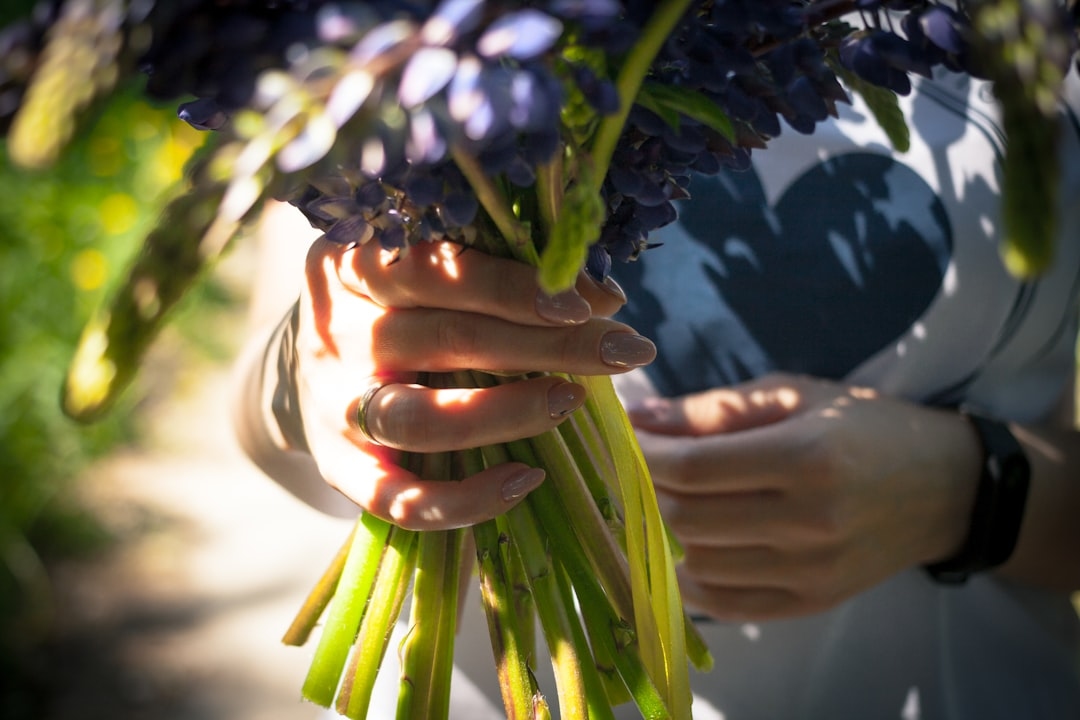
Can You Give Someone Flowers You Picked From Your Own Garden?
Contents:
- Why Homegrown Flowers Make Thoughtful Gifts
- Garden Flowers Gift Etiquette: The Basics
- Cut at the Right Time of Day
- Condition Before You Give
- Present Them Properly
- Best Garden Flowers to Give as Gifts
- A Word From a Professional
- Common Mistakes to Avoid
- Matching Flowers to the Occasion
- Practical Tips for Gifting Garden Flowers Successfully
- Frequently Asked Questions
- Is it rude to give someone flowers from your own garden?
- How do you keep homegrown flowers fresh when giving them as a gift?
- What are the best flowers to cut from a garden for gifts?
- Do garden flowers need to be wrapped to give as a gift?
- What should you know about garden flowers gift etiquette for formal events?
- Ready to Start Cutting?
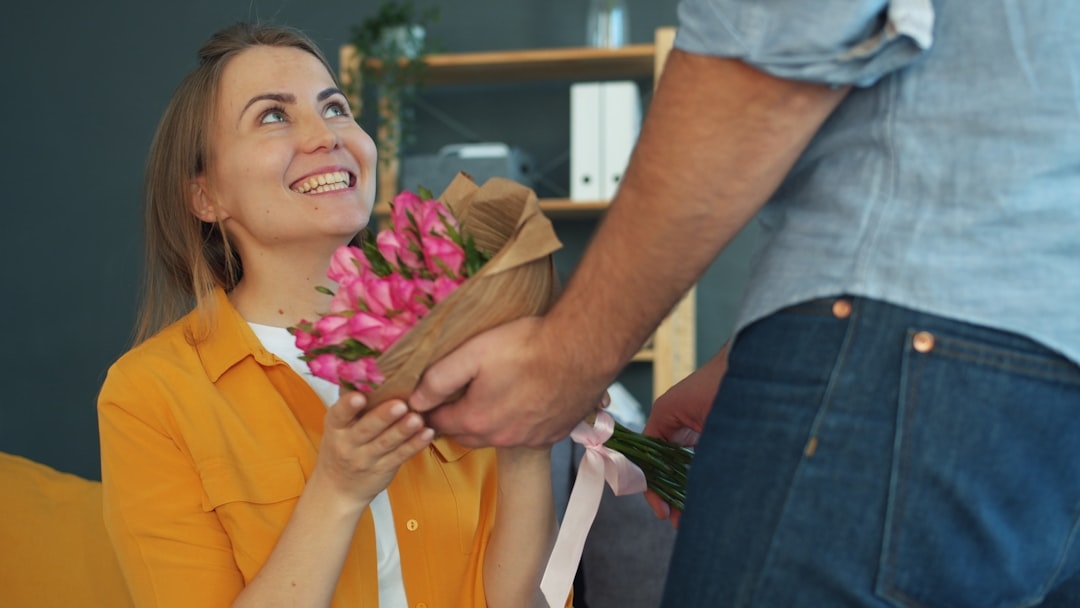
You’re standing in your backyard on a Sunday morning, coffee in hand, staring at a riot of dahlias that somehow exploded overnight. Your neighbor just had a baby. Your mom’s birthday is Thursday. A friend is going through a rough patch. And right there, nodding in the breeze, is the most generous gift you didn’t have to buy. So — is it actually okay to hand someone a bouquet you snipped yourself?
Absolutely yes. Gifting homegrown flowers is not only acceptable, it’s often more meaningful than a store-bought arrangement. But like any gift, how you do it matters. Understanding garden flowers gift etiquette will help you turn a handful of stems into something genuinely special.
Why Homegrown Flowers Make Thoughtful Gifts
Commercially grown cut flowers travel an average of 1,500 miles before reaching a US florist — often sourced from Colombia, Ecuador, or the Netherlands. By the time they hit the vase, they may already be 3–5 days old. Your garden flowers, cut fresh that morning, can last days longer simply because they haven’t been sitting in cold storage or crossing international borders.
There’s also a personal dimension that no grocery store bouquet can replicate. You grew these. You watered them through a dry July, staked them after a storm, and watched them open. That history travels with the flowers — and most recipients feel it.
Garden Flowers Gift Etiquette: The Basics
Good intentions don’t automatically make a great gift. A few simple principles go a long way.
Cut at the Right Time of Day
Always harvest in the early morning or evening, never midday. Flowers cut during peak heat are already stressed — their stems are depleted of sugars and water. Morning cuts, when stems are fully hydrated from the cool night, last significantly longer. Aim to cut and deliver the same day for maximum freshness.
Condition Before You Give
After cutting, place stems immediately in cool water and let them rest for at least two hours — ideally four. This process, called conditioning or hardening, allows the stems to fully hydrate and dramatically extends vase life. Skipping this step is the single most common reason homegrown bouquets wilt within 24 hours.
Present Them Properly
Presentation signals effort. You don’t need a professional wrap — kraft paper tied with twine looks charming and costs almost nothing. Remove any leaves that would sit below the waterline to prevent bacterial buildup. Include a small handwritten note mentioning what flowers are included; many recipients genuinely want to know what they’re looking at.
Best Garden Flowers to Give as Gifts
Not every backyard bloom travels well or makes a gracious impression in a vase. These varieties hold up reliably after cutting:
- Zinnias — prolific, colorful, and last 7–10 days in a vase
- Dahlias — dramatic and impressive; harvest when fully open
- Lisianthus — elegant, long-lasting, and often mistaken for peonies
- Sunflowers — universally cheerful; cut when the petals just begin to open
- Cosmos — airy and delicate; excellent mixed with sturdier stems
- Rudbeckia (Black-eyed Susan) — tough, cheerful, and very long-lasting
Avoid giving flowers with very short vase lives — poppies, for instance, rarely last more than two days after cutting unless you’ve seared the stem ends immediately.
A Word From a Professional
“Garden-cut flowers are often the most emotionally resonant gift you can give,” says Margaret Holloway, Certified Floral Designer and owner of Thornfield Blooms in Asheville, NC. “The key is conditioning — I tell all my customers to treat homegrown stems like you would a restaurant guest: prepare before they arrive, not after. Recut the stems at a 45-degree angle under water right before you hand them over, and you’ve already done more than most people ever think to do.”
Common Mistakes to Avoid
- Giving wilted or partially open blooms. Pick flowers at peak freshness, not ones already past their prime in your garden.
- Skipping foliage cleanup. Yellowing or bug-eaten leaves make the bouquet look careless. Strip them before wrapping.
- Overcrowding the bunch. A tight fist of 20 stems is harder to arrange than 8–10 thoughtfully chosen ones. Bigger isn’t always better.
- Delivering dry. Always wrap stems in a damp paper towel inside the wrapping if the recipient is more than 15 minutes away.
- Ignoring allergies. For close friends or family, it’s worth a quick check — highly fragrant flowers like stock or tuberose can trigger reactions in sensitive people.
Matching Flowers to the Occasion
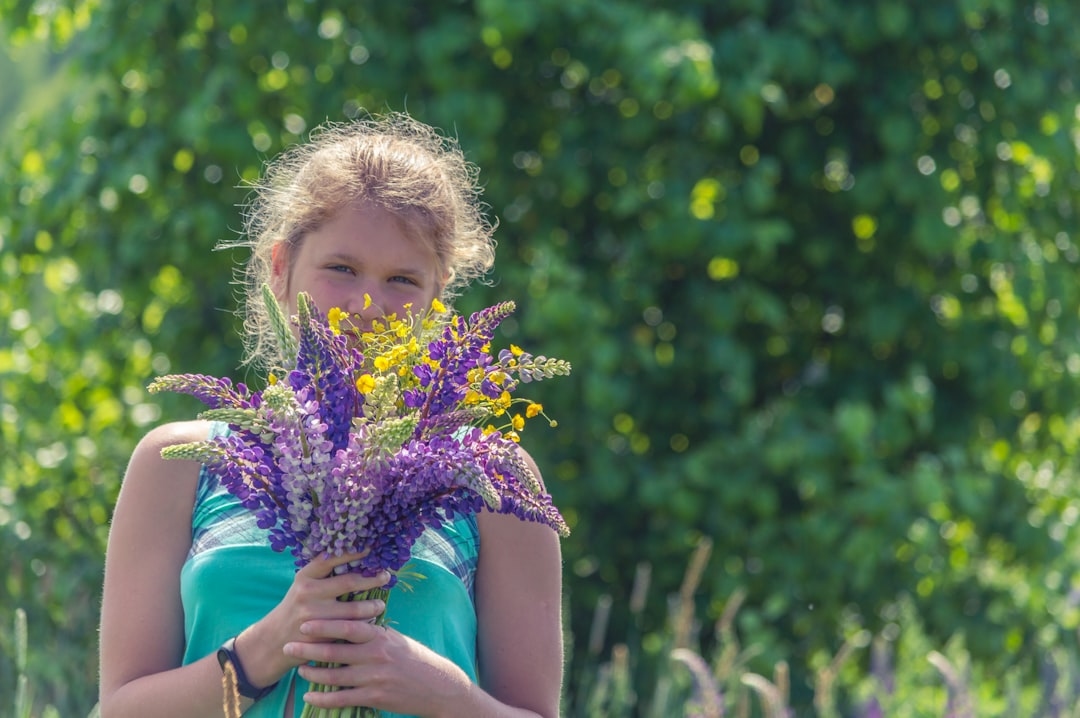
Context shapes what you should bring. A get-well bouquet calls for soft, gentle colors — pale yellows, lavender, white — rather than a bold, saturated mix that can feel overwhelming in a hospital room or quiet home. For a celebration like a birthday or graduation, go bold: deep oranges, hot pinks, and rich purples read as festive and energetic. Sympathy situations call for restraint — white blooms, simple greenery, and a modest scale show respect without fuss.
For a new baby, many parents appreciate low-fragrance options since strong scents can be overwhelming in a nursery. Stick to dahlias, zinnias, or snapdragons rather than heavily fragrant lilies or freesia.
Practical Tips for Gifting Garden Flowers Successfully
- Use a clean bucket with fresh water and a drop of bleach (1/4 teaspoon per quart) to condition your stems — it significantly reduces bacterial growth.
- Recut stems at a 45-degree angle right before handing them over; this maximizes surface area for water uptake.
- For a polished look without buying anything, use newspaper, brown paper bags, or pages from an old book as wrapping — all of which look intentional and charming.
- If you grow it, name it. A small card that says “Dahlias and zinnias from my garden, picked this morning” adds warmth no florist tag can match.
- In summer heat above 85°F, keep bouquets out of a hot car. Even 20 minutes on a seat in direct sun can significantly wilt freshly cut stems.
Frequently Asked Questions
Is it rude to give someone flowers from your own garden?
Not at all. Gifting garden-grown flowers is widely considered thoughtful and personal. The gesture shows you put in time and care, which many people value more than a purchased bouquet. Proper presentation — clean stems, fresh cuts, attractive wrapping — is all that’s needed to make the gift feel intentional.
How do you keep homegrown flowers fresh when giving them as a gift?
Cut stems in the early morning, condition them in cool water for at least two to four hours, then recut at a 45-degree angle just before gifting. Wrap stem ends in a damp paper towel for transport. This keeps flowers fresh for several hours without water and ensures they open fully once placed in a vase.
What are the best flowers to cut from a garden for gifts?
Zinnias, dahlias, sunflowers, lisianthus, and rudbeckia are reliable choices with strong vase lives of 7–10 days. Avoid flowers with naturally short post-harvest lives, like poppies or morning glories, unless you can deliver and arrange them within hours of cutting.
Do garden flowers need to be wrapped to give as a gift?
Wrapping isn’t strictly required, but it elevates the presentation significantly. Simple kraft paper, newspaper, or brown parchment tied with twine looks polished and intentional. Always secure a damp paper towel around the stem ends for any delivery longer than a short walk.
What should you know about garden flowers gift etiquette for formal events?
For formal occasions — weddings, milestone anniversaries, or professional settings — consider the color palette and scale. A large, well-conditioned bouquet of garden flowers in coordinated colors is entirely appropriate. Avoid loose, informal bunches for black-tie events; instead, use a tighter, structured arrangement and professional-looking wrapping to match the tone.
Ready to Start Cutting?
Your garden is already doing the heavy lifting. The flowers are there. The thoughtfulness is built in. All you need is a sharp pair of snips, a cool bucket of water, and a few minutes to wrap them well. Whether you’re heading to a birthday party this weekend or just want to brighten someone’s Tuesday, a fresh-cut bouquet from your own yard is one of the best low-cost, high-impact gifts you can give. Go cut something beautiful — someone out there will be genuinely glad you did.