Should You Send Flowers or a Plant When Someone Is Sick?
Contents:
- The Difference Between Cut Flowers and Live Plants
- When Flowers Are the Right Call
- Short Hospital Stays and Acute Illness
- Emotional Impact and Immediate Comfort
- Seasonal Flower Suggestions by Time of Year
- When a Plant Is the Better Choice
- Long-Term Illness, Recovery at Home, and Chronic Conditions
- Low-Maintenance Plants That Work Well as Sick-Day Gifts
- The Eco-Friendly Case for Plants
- Practical Tips Before You Order
- FAQ: Flowers vs Plant for a Sick Person
- Is it better to send flowers or a plant to someone in the hospital?
- What flowers are safe to send to someone who is sick?
- What is the best plant to give a sick person?
- How long do flowers last when sent to a sick person?
- Is a plant a more meaningful gift than flowers?
- Make the Choice That Fits the Moment
Choosing between a flowers vs plant sick person gift stumps more people than you’d expect — and here’s why it matters more than most realize: a 2008 study from Kansas State University found that hospital patients recovering in rooms with plants or flowers reported lower blood pressure, less pain, and reduced anxiety compared to those in rooms without any greenery. The choice you make at the florist can genuinely affect someone’s recovery. So which do you pick?
This guide breaks it down clearly, section by section. No florist jargon. No assumptions that you already know the difference between a succulent and a peace lily. Just practical, honest guidance for anyone who wants to send the right thing at the right time.
The Difference Between Cut Flowers and Live Plants
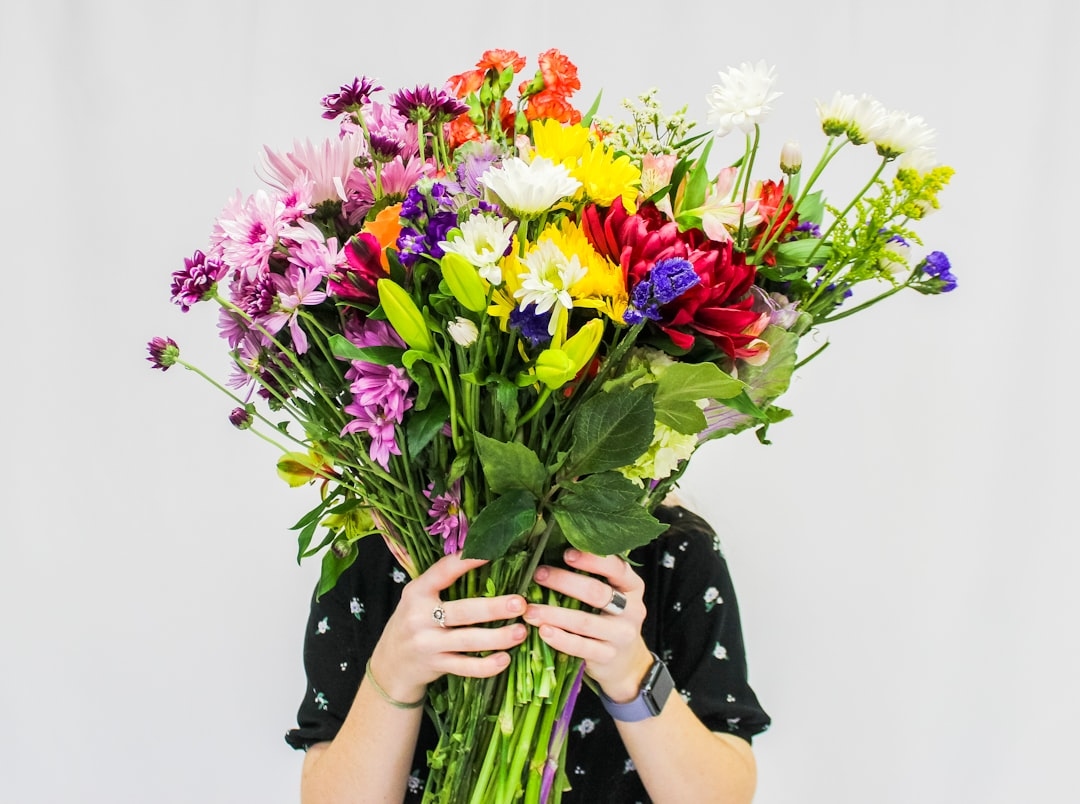
Cut flowers — roses, tulips, sunflowers, daisies — are harvested stems arranged in a vase or bouquet. They’re beautiful immediately, but they have a limited lifespan. Most store-bought cut flowers last between 5 and 14 days depending on the variety and care.
Live plants, on the other hand, are rooted. A pothos in a pot, a blooming orchid, a small succulent — these are living organisms that can survive weeks, months, or even years if tended properly. They’re a longer commitment, both as a gift and for the recipient.
Neither is universally better. But each has situations where it shines.
When Flowers Are the Right Call
Short Hospital Stays and Acute Illness
If someone has just had surgery, is recovering from a short illness like pneumonia, or is in the hospital for a few days, cut flowers make more practical sense. They don’t need to be watered, repotted, or cared for. A cheerful bouquet of yellow gerbera daisies or white Peruvian lilies (alstroemeria) — both known for lasting 10–14 days — can brighten a room without adding any caregiving burden.
One important note: many hospitals, especially oncology units and ICUs, have policies against fresh flowers due to infection risk. Always call the ward or check the hospital’s website before sending cut flowers to an inpatient.
Emotional Impact and Immediate Comfort
There’s something about a fresh bouquet that communicates urgency — “I thought of you right now, today.” The scent of fresh flowers triggers the release of dopamine and serotonin in the brain. Studies have shown that receiving flowers produces an immediate positive emotional response in over 90% of recipients. For a friend going through a difficult diagnosis or a rough week at home, a same-day flower delivery (available through services like 1-800-Flowers or Teleflora, typically $35–$75) can land like a warm hug.
Seasonal Flower Suggestions by Time of Year
Matching the bouquet to the season makes it feel more intentional and often costs less:
- Winter (December–February): Amaryllis, paperwhites, and forced hyacinths are in peak season and widely available.
- Spring (March–May): Tulips, ranunculus, and daffodils are abundant and affordable — often $20–$30 for a full bunch at a local market.
- Summer (June–August): Sunflowers, zinnias, and lisianthus are at their best. Lisianthus, in particular, resembles peonies but lasts nearly twice as long.
- Fall (September–November): Marigolds, dahlias, and chrysanthemums bring warm color and hold up well in dry indoor air.
When a Plant Is the Better Choice
Long-Term Illness, Recovery at Home, and Chronic Conditions
For someone managing a longer illness — recovering from a serious injury, dealing with a chronic condition, or going through chemotherapy at home — a live plant offers something flowers can’t: staying power. A well-chosen plant can sit on a windowsill and remind them they’re loved every single morning for months.
A reader named Dara shared this experience: her mother was diagnosed with breast cancer and began a months-long treatment plan. Early on, friends sent flowers every few weeks. They were beautiful, but they wilted, were discarded, and the cycle felt like a constant reminder of impermanence. Then a close friend sent a small peace lily in a ceramic pot. It sat in her mother’s bedroom window throughout the entire treatment. “She still has it, three years later,” Dara said. “It outlasted everything.”
Low-Maintenance Plants That Work Well as Sick-Day Gifts
Not all plants are appropriate for someone who is unwell and may not have energy to tend them. Choose forgiving, hardy varieties:
- Pothos (Epipremnum aureum): Nearly indestructible. Thrives in low light and only needs watering every 1–2 weeks.
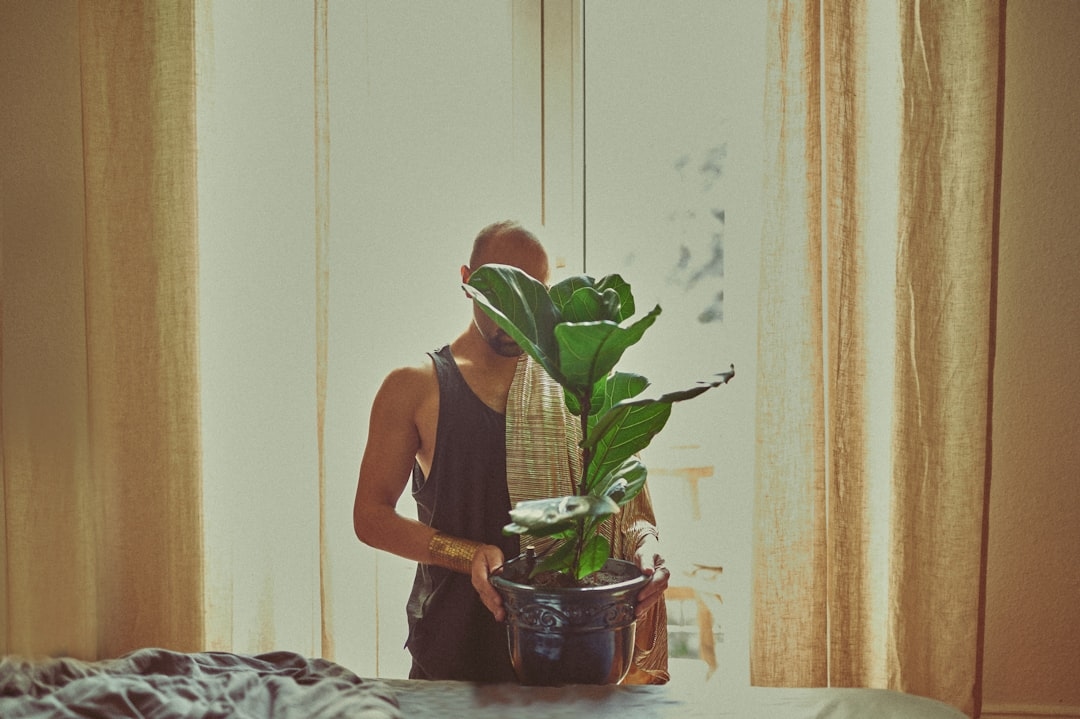
- Peace Lily (Spathiphyllum): One of the few flowering houseplants that prefers shade. Excellent air purifier. Droops visibly when thirsty — an easy watering cue.
- ZZ Plant (Zamioculcas zamiifolia): Stores water in its roots. Can go 3–4 weeks without watering. Nearly impossible to kill.
- Phalaenopsis Orchid: Blooms last 8–12 weeks. Only needs watering once a week by submerging the pot in water for 15 minutes.
- Succulents: Compact, inexpensive ($8–$20), and require almost no water. Great for someone with limited space.
The Eco-Friendly Case for Plants
Cut flowers carry a surprisingly large environmental footprint. Approximately 80% of cut flowers sold in the US are imported, primarily from Colombia and Ecuador, then air-freighted to distribution centers. That supply chain generates significant carbon emissions — estimates suggest a single bouquet can carry the equivalent of a 100-mile car trip in carbon output.
A locally grown potted plant purchased from a neighborhood nursery, on the other hand, travels far fewer miles and keeps living after you give it. If environmental impact matters to you or to the person you’re gifting, a plant is the more sustainable choice by a considerable margin. Ask your local nursery about regionally grown varieties for the lowest footprint.
Practical Tips Before You Order
- Ask about allergies first. Lilies, in particular, are highly toxic to cats. If the sick person has a pet cat at home, skip lilies entirely — even the pollen can cause kidney failure in felines.
- Check hospital policies. Many ICUs, transplant units, and cancer wards prohibit fresh flowers and live plants. A gift card to a local nursery for after discharge is a thoughtful workaround.
- Consider the space. A bedridden person may be in a small room. A compact 4-inch succulent arrangement or a single-stem orchid fits better than a large mixed bouquet.
- Pair with a handwritten note. Research from the Greater Good Science Center at UC Berkeley found that handwritten messages increase the emotional impact of any gift. Don’t skip the card.
- Budget context: Flower bouquets typically run $30–$80 delivered. Potted plants from online retailers like The Sill or Bloomscape range from $25–$65 with shipping included.
FAQ: Flowers vs Plant for a Sick Person
Is it better to send flowers or a plant to someone in the hospital?
It depends on the unit. Many hospitals restrict or ban fresh flowers and plants in certain wards (especially ICUs and oncology floors). For short hospital stays in general wards, flowers are often fine. Always call the hospital first. For someone recovering at home, either is appropriate.
What flowers are safe to send to someone who is sick?
Safe, long-lasting options include alstroemeria, gerbera daisies, chrysanthemums, and carnations. Avoid strongly scented flowers (like stargazer lilies or gardenias) for people experiencing nausea or headaches, as strong smells can worsen symptoms.
What is the best plant to give a sick person?
Peace lilies, pothos, ZZ plants, and phalaenopsis orchids are all excellent choices. They’re low-maintenance, non-toxic to humans, and known for air-purifying qualities. Avoid plants in the lily family if the recipient has cats.
How long do flowers last when sent to a sick person?
Most cut flower arrangements last 5–14 days. Alstroemeria and chrysanthemums tend to last the longest, often up to two weeks with clean water and a cool room. Adding a floral preservative packet (usually included with delivery) extends vase life by 2–3 days on average.
Is a plant a more meaningful gift than flowers?
For long illnesses or recoveries, yes — a live plant outlasts the immediate moment and becomes a daily presence. For acute illness or emotional support in the short term, flowers often carry more immediate impact. Match the gesture to the timeline of the illness.
Make the Choice That Fits the Moment
The right answer between flowers and a plant isn’t universal — it’s situational. A bouquet of fresh tulips says “I’m thinking of you today.” A potted peace lily says “I’ll be thinking of you for a long time.” Both are generous. Both are right, in different circumstances.
Start with one question: how long is this person going to need support? If it’s days, send flowers. If it’s months, send a plant — ideally one that’s easy to keep alive and locally sourced. And whatever you choose, write the card. The plant or bouquet opens the door. Your words are what they’ll remember.