Should You Include a Card When Sending Flowers?
Contents:
- The Purpose of a Flower Card: More Than Just a Name
- Flower Card Etiquette by Occasion
- Sympathy and Condolence Flowers
- Congratulations and Celebrations
- Romantic Flowers
- Get Well and Hospital Deliveries
- Card vs. No Card: The Key Distinction
- What to Write: Practical Card-Writing Tips
- Start with a Specific Acknowledgment
- Keep It Proportional to the Relationship
- Sign with Your Full Name When in Doubt
- Handwritten vs. Printed Cards
- Cost Breakdown: Cards and Add-Ons
- Digital Flowers and E-Cards: A Different Set of Rules
- Frequently Asked Questions
- Is it rude to send flowers without a card?
- What should you never write on a sympathy flower card?
- How long should a flower card message be?
- Can you include a gift card with a flower delivery?
- What is the correct way to address a flower card to a couple?
- Making the Card Work as Hard as the Flowers
Many people assume that flower card etiquette is just a formality — that the blooms do all the talking and a card is optional decoration. That assumption leads to some genuinely awkward moments. A stunning bouquet arrives at someone’s door with no name, no message, and no context. The recipient spends the next hour texting everyone they know trying to figure out who sent it. The gesture, however generous, lands with confusion instead of warmth.
A card is not an accessory. It is the voice of the flowers. This guide walks through exactly when to include one, what to write, and the small details that turn a floral delivery into a memorable act of care.
The Purpose of a Flower Card: More Than Just a Name
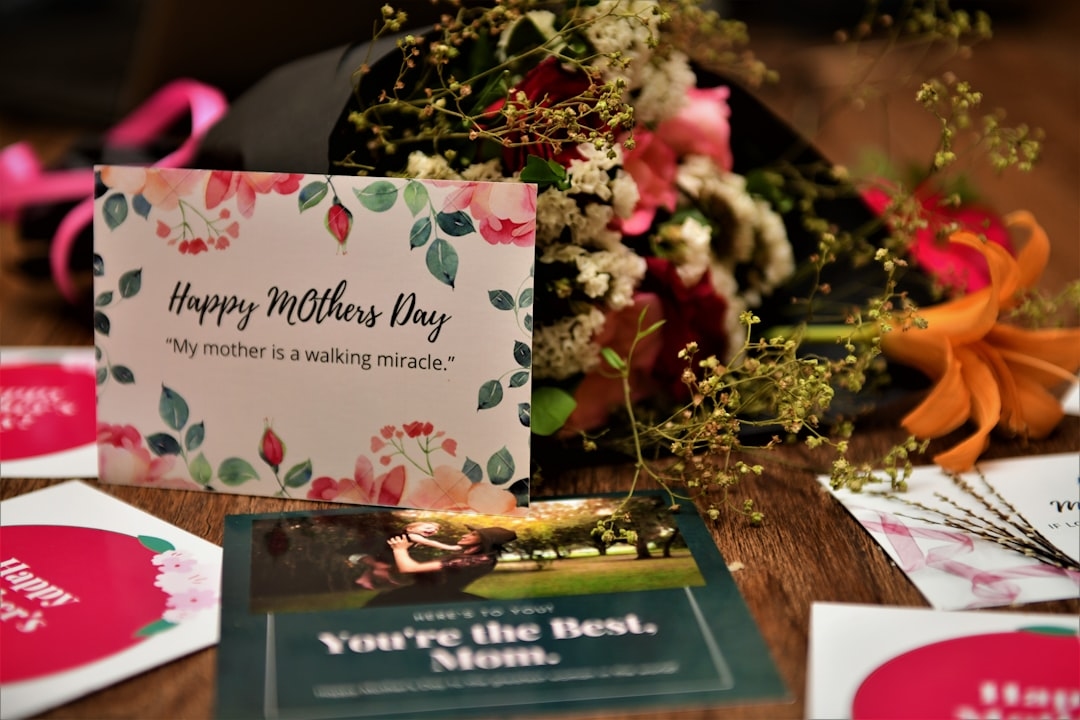
Flowers carry emotional weight, but they carry it silently. A card translates that weight into words. It tells the recipient why the flowers were sent, who sent them, and — when done well — something specific about the relationship between sender and receiver.
Florists report that a significant portion of delivery complaints involve missing or blank cards. According to surveys by the Society of American Florists, unclear sender information is one of the top three sources of customer dissatisfaction with floral deliveries. A card solves that problem entirely.
Beyond identification, a card creates a keepsake. Many people save cards from meaningful floral arrangements long after the flowers have wilted. The flowers last a week or two. A handwritten card can last decades.
Flower Card Etiquette by Occasion
Different occasions carry different expectations. What works at a birthday feels thin at a funeral. The tone, length, and content of a card should match the emotional register of the event.
Sympathy and Condolence Flowers
Always include a card. Full stop. Sympathy arrangements often arrive at a time when the recipient is overwhelmed, and knowing exactly who sent each arrangement matters deeply. Keep the message brief — two to four sentences is ideal. Acknowledge the loss, express your care, and avoid offering explanations or silver linings. Something like: “We are so sorry for your loss. [Name] was a remarkable person, and our thoughts are with your family during this time.”
Congratulations and Celebrations
Cards for birthdays, graduations, promotions, and new babies can afford to be warmer and more personal. Reference the specific achievement. Instead of “Congratulations!”, try “Watching you finish your residency has been one of the great joys of this year — so proud of you.” That specificity is what separates a memorable message from a forgettable one.
Romantic Flowers
Romance is where anonymous deliveries can feel intentionally mysterious — but only if the relationship context supports it. In early dating, a card that simply says “Thinking of you — [Name]” is charming and clear. In established relationships, more depth is appreciated. Skip the mystery for anniversaries or apologies; those moments call for direct, personal words.
Get Well and Hospital Deliveries
Cards here serve a practical purpose as much as an emotional one. Hospital rooms often receive multiple arrangements, and nurses sometimes manage the paperwork. A clear card with the sender’s full name and a brief message ensures the recipient knows who to thank when they have the energy to reach out.
Card vs. No Card: The Key Distinction
There is a common confusion between sending flowers without a card and sending flowers with a blank enclosure card. These are not the same thing, and the difference matters.
A blank card is worse than no card at all. It signals that a message was intended but not completed — which can feel careless or even distressing to the recipient. If you choose to send flowers without a card deliberately (say, as a surprise where you plan to reveal yourself later that day), communicate that plan through another channel — a text, an email, a phone call — so the recipient is not left wondering.
Sending flowers with no card and no follow-up is the scenario to avoid. It is the floral equivalent of a voicemail that cuts off mid-sentence.
What to Write: Practical Card-Writing Tips
Start with a Specific Acknowledgment
The opening line should reference the actual occasion or feeling, not a generic phrase. “Happy Birthday” alone is fine in a pinch, but “Happy 40th — you have made every year around you brighter” is what people remember.
Keep It Proportional to the Relationship
A card to a close friend can be funny, nostalgic, or deeply personal. A card to a colleague or acquaintance should stay warm but professional. A useful rule: write as warmly as you would speak to that person in real life, no warmer and no colder.
Sign with Your Full Name When in Doubt
If there is any chance the recipient knows more than one person with your first name — which is more common than people expect — sign your full name. This is especially true for work environments, large families, or wide social circles.
Handwritten vs. Printed Cards
For local florist deliveries, a handwritten card from the shop is standard and carries more warmth. For online deliveries, most services print the message in a standard font. If the occasion is significant — a milestone birthday, a serious condolence, a romantic gesture — consider following up the delivery with a handwritten note sent separately by mail. The two-card approach costs almost nothing extra and elevates the gesture considerably.
Cost Breakdown: Cards and Add-Ons
Most florists include a basic enclosure card at no additional charge. Here is what you can expect for upgrades:
- Standard printed enclosure card: Free to $2, included with most arrangements
- Premium greeting card (envelope, full size): $4 to $8 at local florists
- Handwritten calligraphy card: $10 to $25, available at specialty florists
- Add-on gift card (e.g., to a restaurant or spa): Face value plus $0 to $5 processing fee
- Personalized ribbon with printed message: $3 to $10
For a standard delivery, the card is essentially free. Upgrading to a full greeting card for significant occasions is a small investment — typically under $10 — that meaningfully changes how the gift is received.
Digital Flowers and E-Cards: A Different Set of Rules
Virtual flower deliveries and e-card services have grown steadily, but they operate under different etiquette norms. When sending a digital floral arrangement, the message field is the card — there is no physical enclosure. Write more here than you would on a small florist card. Three to five sentences is appropriate. Since the recipient is viewing this on a screen rather than holding a small piece of paper, a slightly longer message reads naturally rather than feeling excessive.
Frequently Asked Questions
Is it rude to send flowers without a card?
It depends on context. If you plan to follow up immediately and reveal yourself, it can feel like a fun surprise. Without any follow-up, it is generally considered inconsiderate — the recipient cannot thank you and may feel unsettled rather than delighted.
What should you never write on a sympathy flower card?
Avoid phrases that minimize grief, such as “everything happens for a reason” or “they’re in a better place.” Also avoid asking questions or making requests — a condolence card is not the place for logistics. Keep the message simple, sincere, and focused entirely on the recipient.
How long should a flower card message be?
For standard enclosure cards, aim for one to four sentences. Physical cards are small — typically 2 inches by 3.5 inches — and cramped handwriting is harder to read than a clean, concise message. For full-size greeting cards, up to a short paragraph per section is appropriate.
Can you include a gift card with a flower delivery?
Yes. Most florists can attach a separate gift card envelope to the arrangement. Confirm this when placing the order rather than adding it at the last moment. The gift card should be sealed in its envelope and labeled clearly so it is not separated from the bouquet during transport.
What is the correct way to address a flower card to a couple?
Use both names: “For Sarah and James” or “To the Rodriguezes.” Addressing a card only to one person in a couple — especially for a shared occasion like an anniversary or housewarming — can unintentionally signal that you consider only one of them the primary recipient.
Making the Card Work as Hard as the Flowers
The flowers get noticed first. The card is what gets remembered. Before placing your next floral order, write the card message before you choose the arrangement — this ensures your words drive the gesture rather than the other way around. When you know what you want to say, the right flowers tend to choose themselves.