
Is It Appropriate to Send Flowers to a Coworker?
Contents:
- Why Workplace Flower Etiquette Deserves Serious Thought
- Occasions When Sending a Coworker Flowers Is Clearly Appropriate
- Illness or Hospitalization
- Major Life Milestones
- Retirement
- Outstanding Achievement or Promotion
- Bereavement
- When Coworker Flowers Might Be Inappropriate
- Romantic or Ambiguous Situations
- When You’re a Manager Sending to a Direct Report
- Cultural or Religious Considerations
- How to Choose the Right Flowers for a Coworker
- Color Language Matters
- Size and Scent Considerations
- The Eco-Friendly Angle
- Common Mistakes to Avoid
- Practical Tips for Sending Office Flowers the Right Way
- FAQ: Sending Flowers to a Coworker
- Is it appropriate to send flowers to a coworker you don’t know well?
- Can a manager send flowers to an employee?
- What flowers are best for a coworker’s get-well arrangement?
- How much should I spend on flowers for a coworker?
- Is it okay to send flowers to a coworker’s home address?
- Ready to Send? Here’s Your Next Step
Sending coworker flowers is more appropriate than most people realize — in fact, a 2026 survey by the Society of American Florists found that 67% of Americans consider flowers an acceptable gift in professional settings. Yet plenty of well-meaning colleagues hesitate, second-guess themselves, and end up sending nothing at all. That’s a shame, because a thoughtful bouquet can do a lot of good in a workplace relationship.
The short answer? Yes, flowers for a coworker are usually appropriate — but context matters enormously. The right bloom at the right moment can strengthen a professional bond. The wrong one, delivered without thought, can create unnecessary awkwardness. This guide walks you through exactly when to send, what to choose, and how to pull it off gracefully.
Why Workplace Flower Etiquette Deserves Serious Thought
Offices are social ecosystems. Gestures that feel natural between close friends can read differently under fluorescent lighting with an audience of thirty colleagues. Flowers carry symbolic weight — they signal warmth, acknowledgment, and care. But they can also unintentionally imply romance, favoritism, or overstepping, depending on the relationship and the occasion.
Understanding the unwritten rules of workplace gift etiquette saves you from those uncomfortable moments. A small arrangement sent after a colleague’s surgery lands completely differently than a dozen red roses on a random Tuesday. One says “I’m thinking of you.” The other raises eyebrows.
Occasions When Sending a Coworker Flowers Is Clearly Appropriate
Some moments are genuinely flower-worthy, even in a professional setting. Here’s where you’re on solid ground:
Illness or Hospitalization
A coworker out sick for more than a week — especially following surgery or a serious diagnosis — is one of the clearest cases where flowers make sense. A modest, cheerful arrangement (think sunflowers or yellow tulips, around $35–$55 from a local florist) says “we miss you” without overstepping. Skip anything strongly scented if they’re recovering in a hospital room, as many facilities have fragrance restrictions. A potted plant like a small succulent or peace lily travels home well and lasts much longer than cut flowers.
Major Life Milestones
A new baby, a wedding, or a significant birthday are universally recognized celebratory moments. Sending flowers for these occasions is warm, professional, and almost never misread. For a baby shower, pastel mixed arrangements are classic. For a wedding, a gift card to a florist lets the couple choose arrangements that match their décor — a practical and appreciated alternative.
Retirement
Someone wrapping up 20 years at a company deserves more than a grocery store card. A lush, statement arrangement — garden roses, peonies, eucalyptus — signals genuine respect. Budget $60–$90 for something that photographs well for the farewell party. Collecting contributions from the whole team makes this feel communal rather than personal.
Outstanding Achievement or Promotion
Congratulating a coworker on a big promotion or a major project win with flowers is a classy move. Keep the arrangement understated — a small vase of white and green blooms stays professional and doesn’t accidentally look romantic.
Bereavement
A sympathy arrangement for a colleague who has lost a family member is almost always appropriate. White lilies, chrysanthemums, and soft mixed whites are traditional choices. If you’re unsure about sending to their home, a card with a donation to a charity in the deceased’s name is equally meaningful.
When Coworker Flowers Might Be Inappropriate
There are situations where even well-intentioned flowers can create friction. Being aware of them protects both you and your colleague.
Romantic or Ambiguous Situations
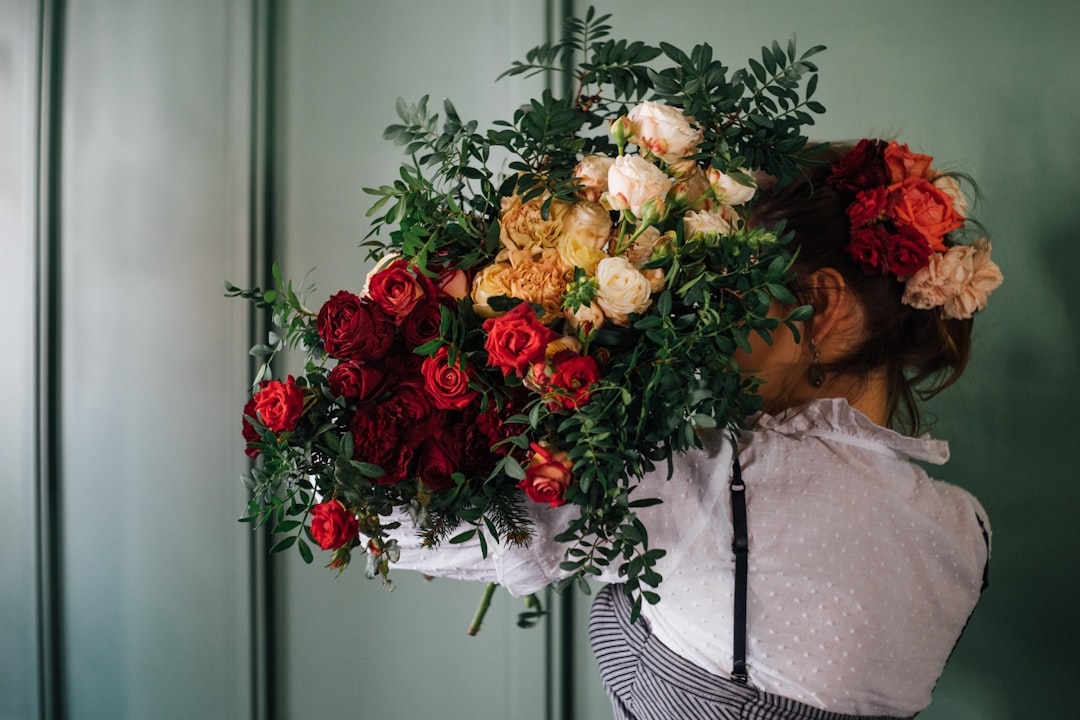
Red roses are the most misread flower in any professional context. Full stop. If there’s any chance your gesture could be interpreted as romantic interest — especially if the recipient hasn’t shown mutual signals — choose a different gift entirely or skip it. The workplace is simply not the right venue for that kind of ambiguity.
When You’re a Manager Sending to a Direct Report
Power dynamics complicate gift-giving. A manager sending flowers to a single employee can feel like favoritism to the rest of the team, or make the recipient uncomfortable if they worry about how it looks. If you want to acknowledge a direct report’s milestone, consider a team card, a public shoutout in a meeting, or flowers sent on behalf of the whole department.
Cultural or Religious Considerations
Some cultures assign specific meanings to flowers that differ sharply from American norms. White flowers symbolize mourning in several East Asian cultures, making a white congratulatory bouquet a misstep. If you know your colleague observes specific religious practices or comes from a different cultural background, a quick, respectful check — or a safer neutral option — goes a long way.

How to Choose the Right Flowers for a Coworker
Picking the right arrangement doesn’t require a horticulture degree. A few simple rules cover most situations.
Color Language Matters
- Yellow: Friendship, warmth, positivity — excellent for get-well and welcome-back arrangements.
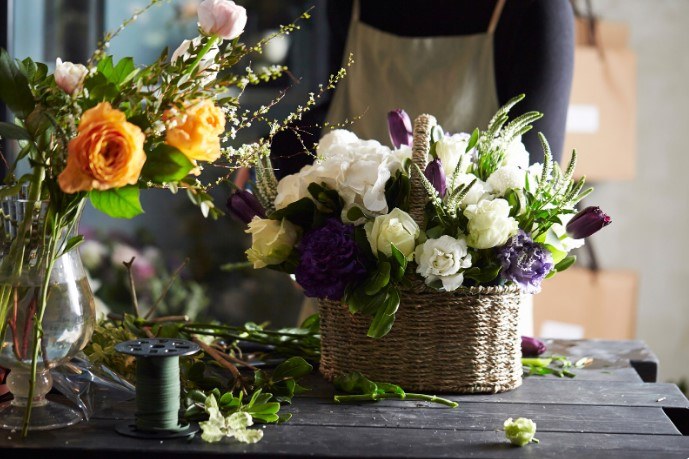
- White and green: Clean, professional, neutral — great for promotions and achievements.
- Soft pink: Gentle celebration — works well for new babies or birthdays.
- Deep purple or blue: Admiration and respect — suitable for retirement or long-service recognition.
- Red: Romantic connotation — avoid in most workplace contexts.
Size and Scent Considerations
A desk arrangement should fit comfortably on a standard workstation without requiring its own zip code. Aim for something no taller than 10–12 inches for in-office delivery. Strongly scented flowers — stargazer lilies, gardenias, hyacinths — can trigger allergies or sensitivities in open-plan offices. Roses, tulips, and orchids are lower-fragrance options that still look polished.
The Eco-Friendly Angle
If your coworker is environmentally conscious — or you simply want to make a greener choice — look for florists who source locally grown, seasonal flowers or carry a Rainforest Alliance or Fair Trade certification. Locally sourced flowers have a significantly smaller carbon footprint than imported blooms shipped from South America, which account for roughly 80% of US flower imports. A potted native plant (like a small black-eyed Susan or a pollinator-friendly herb pot) is another sustainable option that keeps giving long after cut flowers fade.
Common Mistakes to Avoid
- Sending flowers with no card. A mystery arrangement creates confusion and gossip. Always include a short, professional note.
- Choosing a bouquet purely on price. A $20 gas station bunch wrapped in plastic reads very differently than a $20 arrangement from a local florist in a simple vase.
- Delivering to a shared space without thinking it through. If your coworker sits in an open-plan office, a delivery during a busy meeting can embarrass them. Check their schedule or send to their home address for sensitive occasions.
- Assuming everyone loves flowers. Some people genuinely prefer a gift card or a charitable donation. If you know your colleague well enough, you know their preferences.
- Using strongly scented flowers in enclosed offices. Fragrance allergies are common. When in doubt, go low-scent.
Practical Tips for Sending Office Flowers the Right Way
- Use a local florist over big-box delivery services when possible. Local shops typically offer fresher product, better customization, and same-day delivery — and you support a small business in the process.
- Keep the card message professional and warm. Something like “Wishing you a smooth recovery — the whole team is rooting for you!” is perfect. Avoid anything overly personal or effusive.
- Consider a group send. Collecting $5–$10 from each team member creates a more impressive arrangement and distributes the gesture across the whole group, removing any personal awkwardness.
- Orchids make excellent desk plants. A single-stem phalaenopsis orchid in a simple pot runs $20–$35, lasts 8–12 weeks, requires almost no maintenance, and looks undeniably elegant on a desk.
- For remote colleagues, use a delivery service with real-time tracking. Services like 1-800-Flowers, Teleflora, and UrbanStems all offer same-day or next-day delivery across most US zip codes with trackable orders.
FAQ: Sending Flowers to a Coworker
Is it appropriate to send flowers to a coworker you don’t know well?
Yes, for clearly professional occasions like illness, bereavement, or retirement. Stick to neutral colors (white, yellow, green), keep the card message simple and group-oriented, and opt for a modest arrangement in the $30–$50 range. The gesture signals workplace community rather than personal closeness.
Can a manager send flowers to an employee?
It depends on the context. Flowers sent on behalf of a department for a major life event (new baby, loss of a family member) are generally fine. A manager sending flowers to one specific employee for a minor occasion risks appearing to play favorites. When in doubt, make it a team gesture.
What flowers are best for a coworker’s get-well arrangement?
Cheerful, low-scent options work best: yellow or orange gerbera daisies, sunflowers, tulips, or a simple mixed bouquet in warm tones. Avoid white arrangements (which can read as funereal) and heavily scented blooms like stargazer lilies if the recipient is recovering in a medical setting.
How much should I spend on flowers for a coworker?
For an individual gesture, $35–$65 is a comfortable, well-received range in most US markets. For a group contribution, $8–$15 per person typically funds a genuinely impressive arrangement. Retirement and long-service milestones warrant a higher budget — $75–$120 for a statement piece is appropriate when the whole team contributes.
Is it okay to send flowers to a coworker’s home address?
Yes, and for sensitive occasions (illness, bereavement) it’s often preferable. Just make sure you have their address through an appropriate channel — HR records shared with your consent, or a mutual close colleague — rather than personal detective work. Always include a card so the gesture is immediately understood.
Ready to Send? Here’s Your Next Step
Browse your local florist’s website today and bookmark two or three arrangements that fit different occasions — a get-well option, a celebration pick, and a sympathy choice. Having a mental shortlist means that when a colleague’s moment arrives, you can act quickly and thoughtfully instead of freezing up at checkout. A well-chosen bouquet, sent at the right time, is one of the simplest and most human things you can do for someone you work alongside every day. Don’t overthink it. Just make it genuine.