Is It Too Much to Send Flowers Every Week?
Contents:
- Why Flower-Giving Frequency Actually Matters
- When Sending Flowers Every Week Is Totally Fine
- Long-Distance Relationships
- Milestone-Dense Seasons
- When You’ve Had the Conversation
- When It Might Be Too Much: Red Flags to Watch For
- The Etiquette of Regular Flower-Giving
- A Reader Story Worth Sharing
- Eco-Friendly Flower-Giving: A Consideration Worth Making
- Practical Tips for Getting the Frequency Right
- FAQ: Sending Flowers Weekly
- Is sending flowers every week considered too much in a new relationship?
- What’s the average cost of sending flowers weekly?
- How do you know if someone enjoys receiving flowers regularly?
- Are there more sustainable alternatives to cut flowers for weekly gifting?
- What types of flowers are best for weekly sending?
- Make the Ritual Yours — Then Keep It
Flowers every single week might sound excessive — until you hear from someone whose entire relationship was built around that ritual. The truth is, there’s no universal rule here. But there are patterns that help, and a few mistakes that can quietly turn a sweet gesture into something that feels overwhelming or even unsettling.
So if you’ve been wondering whether sending flowers weekly is too much, you’re asking exactly the right question. The answer depends on context, relationship stage, delivery style, and — surprisingly — even what kind of flowers you choose.
Why Flower-Giving Frequency Actually Matters
Flowers carry emotional weight. A single unexpected bouquet can feel electric. But repeat that gesture on a rigid schedule, and the meaning can start to shift. Research on gift-giving behavior consistently shows that predictability reduces emotional impact. A 2026 study published in the Journal of Consumer Psychology found that surprise gifts generate roughly 30% more positive emotional response than expected ones of the same perceived value.
That doesn’t mean weekly flowers are wrong. It means the how matters as much as the how often. A hand-picked bunch left on a doorstep with a personal note hits differently than a subscription box that arrives like clockwork every Tuesday.
When Sending Flowers Every Week Is Totally Fine
There are situations where weekly blooms make complete sense — and in some cases, they’re genuinely appreciated.
Long-Distance Relationships
When physical presence isn’t possible, a weekly floral delivery can substitute for the small daily touchpoints couples in the same city take for granted. Many long-distance couples report that consistent, tangible gestures — like flowers arriving every Friday — help bridge the emotional gap. Just make sure the recipient has space for them and actually enjoys receiving flowers rather than feeling like they need to manage a subscription.
Milestone-Dense Seasons
Some people send flowers weekly during particularly meaningful stretches — a difficult illness, a grieving period, a major work achievement. In those contexts, the repetition communicates sustained support rather than romantic pressure. A friend who received weekly sunflowers during her chemotherapy treatment described them as “the thing I looked forward to most every Thursday.” That’s not too much. That’s exactly right.
When You’ve Had the Conversation
If the person receiving flowers has told you directly that they love it — keep going. Communication removes guesswork. Some people genuinely thrive on regular floral gestures and find them grounding rather than excessive.
When It Might Be Too Much: Red Flags to Watch For
Even with good intentions, weekly flowers can create friction. Here’s what to watch for:
- They’ve gone quiet about it. If someone used to thank you enthusiastically and now just sends a brief “thanks,” the gesture may have lost its resonance — or worse, started to feel obligatory to acknowledge.
- You’ve never met in person. Sending weekly flowers in the early stages of an online connection or new acquaintance can read as intense, even if that’s not your intent. At that stage, less is often more.
- They live in a small space. This sounds trivial, but it’s genuinely practical. A studio apartment doesn’t have room for a fresh bouquet every week on top of last week’s dying one. Think about the recipient’s actual living situation.
- You’re doing it to fill a silence. Flowers sent out of anxiety or to compensate for unresolved tension in a relationship are unlikely to fix anything. They might even delay a needed conversation.
The Etiquette of Regular Flower-Giving
Traditional etiquette offers some useful guardrails here. Emily Post’s guidelines on gift-giving emphasize that the best gifts create joy without obligation. Weekly flowers that arrive with no strings attached, no expectation of a gushing response, and genuine thoughtfulness behind the selection? That passes the etiquette test comfortably.
Where it gets complicated is when the giving starts to feel performative — either for an audience or to establish a pattern of expectation. A $40 mixed bouquet every week adds up to over $2,000 a year. That kind of financial consistency can create unspoken pressure, especially early in a relationship.
A Reader Story Worth Sharing
One reader wrote in to share that her now-husband sent her flowers every week for the first three months they dated — but what made it work was the variety and the notes. He never sent the same arrangement twice. One week it was a $12 bunch of farmer’s market dahlias with a Post-it about a joke from their first date. Another week, a single branch of cherry blossoms he’d spotted at a local florist. “It never felt like a subscription,” she said. “It felt like he was paying attention.” That distinction — between a pattern and a ritual — is everything.
Eco-Friendly Flower-Giving: A Consideration Worth Making
If you’re committed to sending flowers regularly, it’s worth thinking about the environmental footprint. Roughly 80% of cut flowers sold in the US are imported, primarily from Colombia and Ecuador, with significant carbon costs attached to air freight and refrigerated transport. Sending flowers weekly amplifies that footprint by a factor of 52 per year.
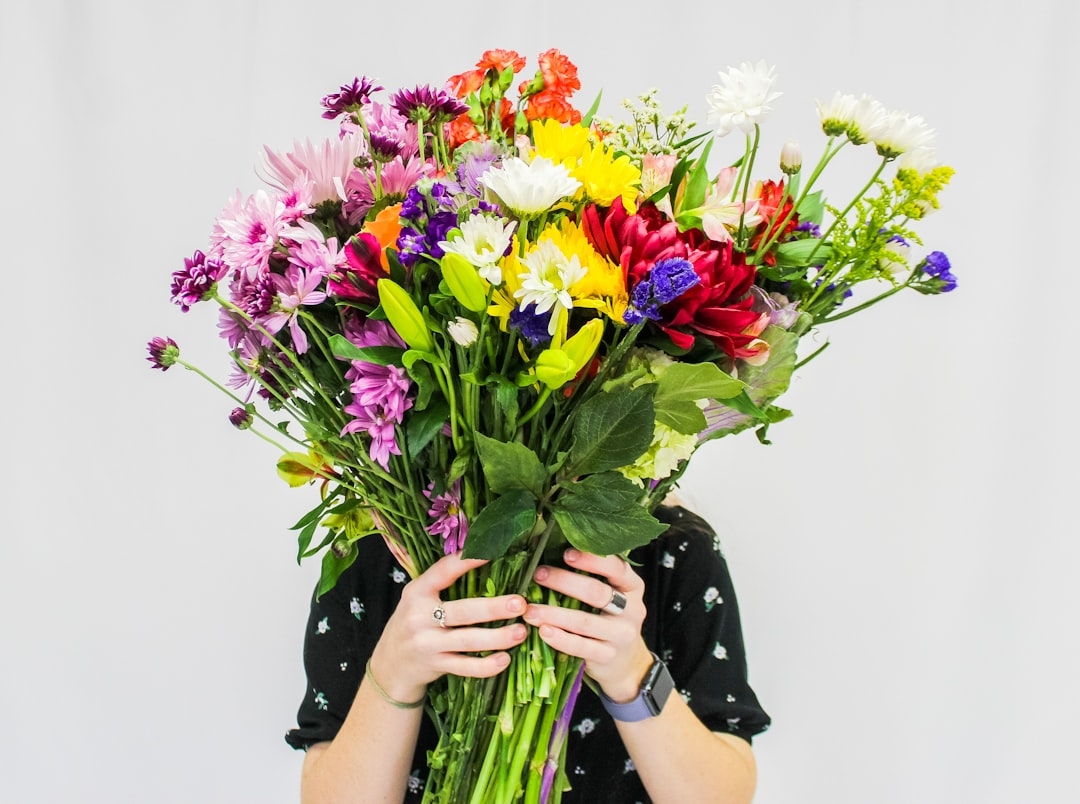
Some more sustainable alternatives that still carry real emotional weight:
- Local, seasonal flowers from a nearby farm or farmers’ market reduce transport emissions significantly and often last longer than imported blooms.
- Potted plants every few weeks instead of cut flowers weekly — a thriving pothos or small herb garden keeps giving long after the gesture is made.
- Dried or preserved flowers require no water, last months, and have a growing aesthetic following. Many florists now offer beautifully arranged dried bundles starting around $25.
- Wildflower seed packets paired with a personal note offer a gesture that literally grows — and support pollinators in the process.
If you’re set on fresh-cut flowers, look for florists who source from domestic growers (California and Florida are the largest US producers) or those certified through Veriflora or the Rainforest Alliance.
Practical Tips for Getting the Frequency Right
Not sure where to land? Here’s a framework that actually works:
- Start with occasion-based giving and layer in regularity only once you know the person loves it. One bouquet for a meaningful moment tells you a lot about how they receive floral gifts.
- Vary the gesture, not just the flowers. Alternate between a full bouquet one week and a single statement stem the next. The variation itself signals intentionality.
- Set a comfortable budget ceiling. Most florists can build beautiful arrangements for $20–$35. Weekly sending doesn’t have to mean weekly splurging.
- Ask directly — but not defensively. “Do you actually love getting flowers, or is it just nice?” is a question most people appreciate being asked. It signals care, not insecurity.
- Watch the timing. Friday deliveries tend to land better than Monday ones — they’re tied to the positive emotional lift of the weekend rather than the stress of a new work week.
FAQ: Sending Flowers Weekly
Is sending flowers every week considered too much in a new relationship?
Generally, yes — in the first few weeks of dating, weekly flowers can feel intense or pressure-filled. Once you’ve established mutual comfort and know the person enjoys receiving them, regular sending becomes much more appropriate.
What’s the average cost of sending flowers weekly?
A typical fresh bouquet from a US florist runs $30–$60. Delivery fees add $10–$20 on top. Budgeting $40–$80 per week is realistic, which totals $2,000–$4,000 annually. Farmers’ market bunches and wholesale options can bring that closer to $15–$25 per delivery.
How do you know if someone enjoys receiving flowers regularly?
The most reliable signal is enthusiastic, specific feedback — they mention where they put the bouquet, how long it lasted, or reference the flowers in later conversation. Polite but brief acknowledgment is a sign the gesture may not be landing as intended.
Are there more sustainable alternatives to cut flowers for weekly gifting?
Yes. Potted plants, locally grown seasonal flowers, and dried arrangements are all lower-impact options. Look for florists certified by Veriflora or those who source from domestic US farms in California or Florida.
What types of flowers are best for weekly sending?
Longevity matters for frequent gifting. Chrysanthemums, alstroemeria, and carnations regularly last 10–14 days. Sunflowers and zinnias are cheerful and robust. Roses are classic but typically only last 5–7 days — beautiful, but not the most practical for weekly rotation.
Make the Ritual Yours — Then Keep It
The question of whether sending flowers weekly is too much ultimately comes down to one thing: does the person receiving them feel seen, or do they feel managed? A weekly flower habit done with real attention — varying the blooms, writing a genuine note, choosing local and seasonal where possible — is one of the more quietly romantic things a person can do consistently.
Start smaller than you think you need to. Pay attention to how they respond. Then build from there. The best floral rituals aren’t ones that started big — they’re the ones that grew naturally because both people wanted them to.
Ready to start? Find a local florist you trust, set a modest weekly budget, and send the first one this Friday. See what happens.